


 DONATIONS
 Worldwide Radio Stations
The year in review: Israel at a turning point
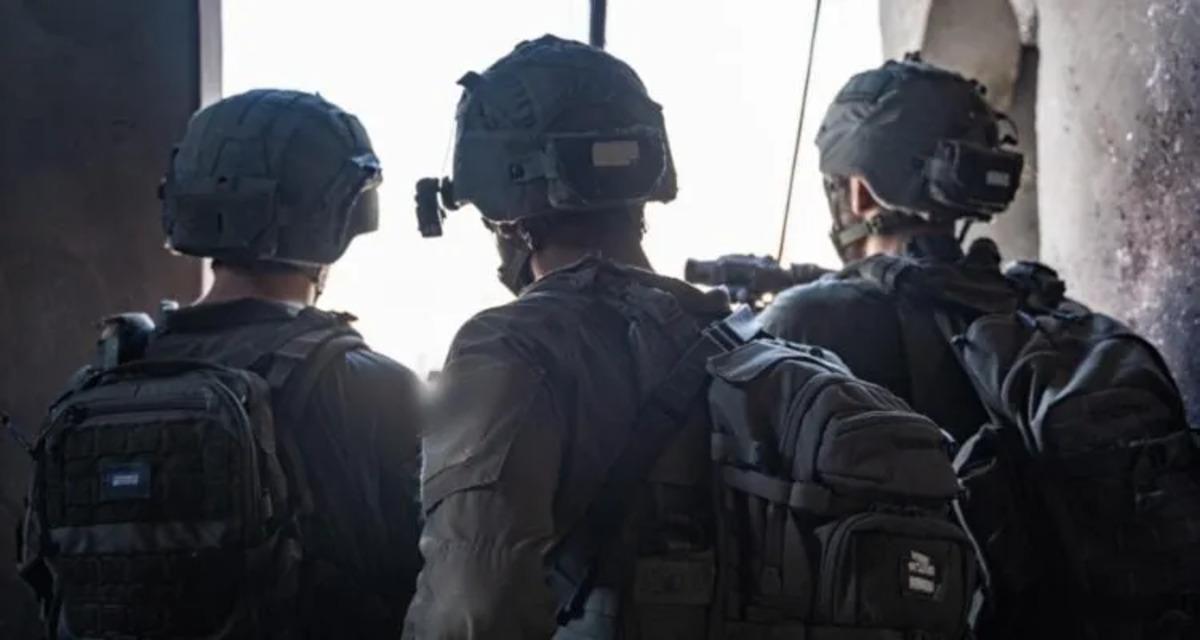
Despite political strains and wartime pressure, the government moved closer to completing a full term— something that has not happened in more than three decades
This past year marked a turning point for Israel.
The shift began in 2024, with Israel’s pager operation against Hezbollah and the killing of Hezbollah chief Hassan Nasrallah in Beirut.
The decisive moment came in June 2025, when Israel struck Iran directly.
On June 13, Israel launched an air operation against Iran’s nuclear and missile infrastructure and assassinated senior figures in its military and security leadership.
Iran responded with missile and drone attacks that killed thirty Israeli civilians. The confrontation ended on June 24 with a ceasefire brokered by Washington.
During the escalation, the United States joined the campaign and struck Iran’s nuclear facility in Fordow with B-2 bombers.
For the first time, Israel and Iran’s militaries confronted each other openly.
The Gaza war also peaked. On October 10, a U.S.-brokered ceasefire between Israel and Hamas linked a halt in fighting to hostage releases, prisoner exchanges, and expanded humanitarian aid.
President Donald Trump visited Israel during the early days of the ceasefire. Hamas released the hostages who remained alive and returned the remains of almost all those murdered in captivity.
Israeli society began a slow recovery from a long trauma. The ceasefire paused the fighting but left unresolved questions about Gaza’s future and Hamas’s weapons.
Domestic politics remained tense, centered on the conscription dispute with Haredi parties. Haredi leaders pushed for legislation preserving exemptions for yeshiva students, while partners inside the coalition demanded broader enlistment.
In June, the opposition forced a vote to dissolve the Knesset. The coalition survived after reaching a compromise that bridged the dispute.
Despite political strains and wartime pressure, the government moved closer to completing a full term—something that has not happened in more than three decades.
Throughout the year, Prime Minister Benjamin Netanyahu replaced the senior security leadership—the Israel Defense Forces chief of staff, Shin Bet director, and Mossad director—and framed these moves as a break from the leadership that served on October 7, 2023.
Demands for accountability did not fade. Families of victims and hostages continued to call for a state commission of inquiry into the failures that led to October 7.
The coalition promoted an alternative framework that kept elected officials at the center. The dispute became a broader struggle over authority, trust, and responsibility.
The year also saw the eruption of the “Qatargate” affair. Law enforcement investigated allegations that close advisers to Netanyahu worked as paid lobbyists for Qatar while advising the prime minister, even as Qatar hosted Hamas leaders.
The case deepened political tensions and intensified criticism of the prime minister.
Alongside Gaza and Iran, Israel faced a persistent terrorist threat from Judea and Samaria. The region remained a central security challenge that required sustained military and intelligence engagement.
The economy showed signs of recovery. The shekel strengthened beyond its pre-war level. Israel’s tech sector raised $15.6 billion in private funding.
Google signed an agreement to acquire Wiz for $32 billion, and Nvidia announced plans for a new campus in northern Israel.
The costs of war remained visible. Reservists served extended tours and returned to businesses strained by long absences.
Physical injuries and psychological trauma became more apparent. Communities evacuated from the Gaza border and the north began returning home, though many remained scarred by destruction and loss.
Internationally, Israel projected military capability and economic resilience. Some governments debated embargoes during the Gaza war, yet demand for Israeli air and missile defense systems continued.
In December, Israel and Germany signed an expanded agreement for the Arrow-3 missile defense system.
At the same time, Israel absorbed losses in the information arena. Campaigns targeted Israel’s legitimacy and the conduct of the Israel Defense Forces.
These efforts contributed to growing international support for recognition of a Palestinian state. Several Western countries moved in that direction, including Spain, Ireland, Norway, and Slovenia, followed by the United Kingdom, Canada, and Australia.
Antisemitism also rose sharply in diaspora communities.
On December 14, attackers murdered fifteen people at a Hanukkah event in Bondi, Australia, after months of anti-Israel agitation.
The political impact of the October 7, 2023, attacks continued to shape Israeli society. Public opinion shifted further to the right, driven by security concerns and declining trust in previous political arrangements.
The option of relying on Arab parties as coalition partners weakened. At the same time, the Islamist Ra’am party announced a separation from its religious institutions, a move that drew skepticism among Jewish voters.
The coming year will test whether Israel can translate deterrence against Iran, the Gaza ceasefire, and political stability into a long-term strategy as the country heads toward elections that may reshape its political landscape and future priorities.
***

 English
 Arabic
 French
 Spanish
 Portuguese
 Deutsch
 Turkish
 Dutch
Dutch
 Italiano
 Russian
 Romaian
 Portuguese (Brazil)
 Greek
Greek