


• [URGENT] Reports of possible coup as Maher Assad builds 45,000-man force

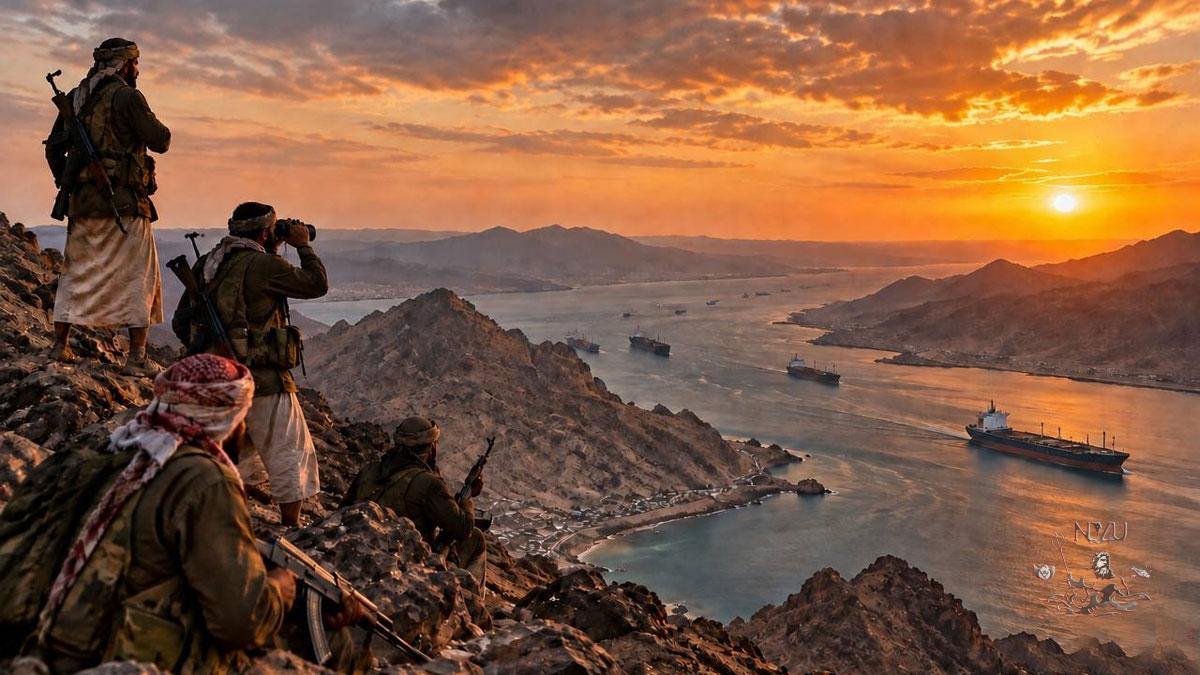
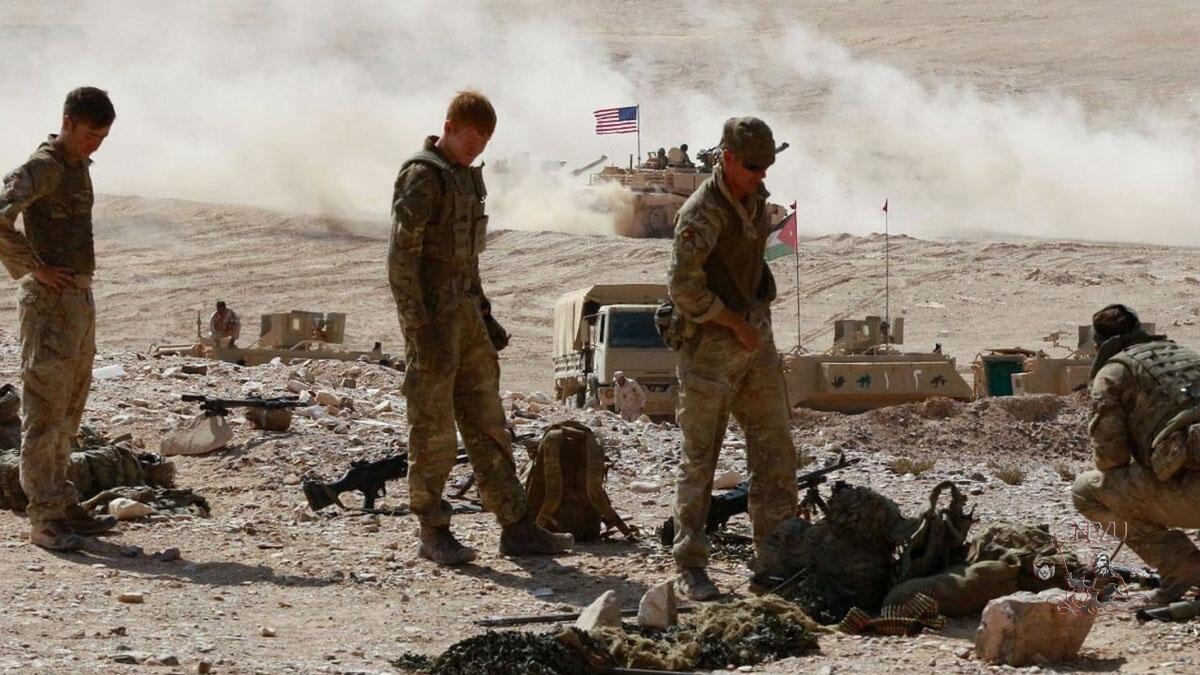
    Arab media reports that Maher Assad — the powerful brother of Syrian president Bashar Assad — has assembled a striking force of roughly 45,000 fighters along the Syrian coastal plain. According to these reports, Maher, together with his influential cousin Rami Makhlouf, is pouring millions of dollars into preparing this force for what is described as a major confrontation with the Joulani regime in northern Syria.

    Russian military personnel are said to be directly involved in training and organizing these units along the coastal strip.

    These developments have raised questions inside the region about whether Syria is edging toward an internal power struggle that could reshape the country’s leadership. The reported forces, already positioned with an eye toward movement toward Damascus, suggest that Maher Assad may be preparing far more than a localized military campaign — potentially signaling a dangerous escalation inside a country already fractured by war and outside influence.

    Note: If these reports prove accurate, Syria may be heading into a new phase of instability — one driven not by external actors but by a potential rift inside the Assad family itself. A power struggle involving Maher Assad, backed by Russian-trained forces, could shake the entire regional balance, affect Israel’s northern front, and open new opportunities or risks in the broader Middle East.
    [URGENT] Reports of possible coup as Maher Assad builds 45,000-man force Arab media reports that Maher Assad — the powerful brother of Syrian president Bashar Assad — has assembled a striking force of roughly 45,000 fighters along the Syrian coastal plain. According to these reports, Maher, together with his influential cousin Rami Makhlouf, is pouring millions of dollars into preparing this force for what is described as a major confrontation with the Joulani regime in northern Syria. Russian military personnel are said to be directly involved in training and organizing these units along the coastal strip. These developments have raised questions inside the region about whether Syria is edging toward an internal power struggle that could reshape the country’s leadership. The reported forces, already positioned with an eye toward movement toward Damascus, suggest that Maher Assad may be preparing far more than a localized military campaign — potentially signaling a dangerous escalation inside a country already fractured by war and outside influence. Note: If these reports prove accurate, Syria may be heading into a new phase of instability — one driven not by external actors but by a potential rift inside the Assad family itself. A power struggle involving Maher Assad, backed by Russian-trained forces, could shake the entire regional balance, affect Israel’s northern front, and open new opportunities or risks in the broader Middle East.
    Wow
    1
    0 Comments 0 Shares 305 Views
  • Legitimate authorities regain control of situation in Benin

    The legally formed government of #Benin is regaining control of the situation in the country after a group of servicemen announced a coup this morning, AFP reported, citing sources close to President Patrice Talon. "This is a small group of rebels who had access to television," the news agency quoted a source as saying. "The regular army is regaining control of the situation," the source pointed out.

    According to AFP, rebels attacked the presidential palace in Porto-Novo, the capital, in the morning, but Talon is safe.
    Legitimate authorities regain control of situation in Benin The legally formed government of #Benin is regaining control of the situation in the country after a group of servicemen announced a coup this morning, AFP reported, citing sources close to President Patrice Talon. "This is a small group of rebels who had access to television," the news agency quoted a source as saying. "The regular army is regaining control of the situation," the source pointed out. According to AFP, rebels attacked the presidential palace in Porto-Novo, the capital, in the morning, but Talon is safe.
    Like
    1
    0 Comments 0 Shares 235 Views
  • German youth takes over cities protesting new conscription law

    Berlin, Hamburg, Stuttgart and 80+ other cities across Germany have been flooded with young people protesting against compulsory military service. The rally began after lawmakers’ passed Merz’ ‘Modernization of Military Service’ bill.

    Under the new law, all 18-year-old male citizens will be given medical examination, and have to fill out surveys with their personal information.

    Although authorities promise recruitment into the Bundeswehr will continue to be voluntary, if not enough volunteers can be found, conscripts will be selected by lottery to serve for a 6-month period.

    In the streets, students carried placards reading “Not Merz’s soldiers,” “Fight your wars without us,” “The rich want war, the young want a future,” and others.

    Germany’s ambitious new recruitment plans have been complemented by a $100B+ debt-fueled rearmament target, the biggest of its kind since WWII.
    German youth takes over cities protesting new conscription law Berlin, Hamburg, Stuttgart and 80+ other cities across Germany have been flooded with young people protesting against compulsory military service. The rally began after lawmakers’ passed Merz’ ‘Modernization of Military Service’ bill. 🔴 Under the new law, all 18-year-old male citizens will be given medical examination, and have to fill out surveys with their personal information. 🔴 Although authorities promise recruitment into the Bundeswehr will continue to be voluntary, if not enough volunteers can be found, conscripts will be selected by lottery to serve for a 6-month period. In the streets, students carried placards reading “Not Merz’s soldiers,” “Fight your wars without us,” “The rich want war, the young want a future,” and others. Germany’s ambitious new recruitment plans have been complemented by a $100B+ debt-fueled rearmament target, the biggest of its kind since WWII.
    Wow
    1
    0 Comments 0 Shares 396 Views 1
  • Overnight on Thursday Dec 4th, at around 7:30pm, the French Navy opened fire on a swarm of five drones spotted flying over the Île Longue Strategic Submarine Base in Finistère on the coast of Brittany, which houses France’s fleet of nuclear-powered ballistic missile submarines operating as a part of the Force de dissuasion under the Strategic Ocean Force. Whether any of the drones were actually shot down is currently unknown...
    Overnight on Thursday Dec 4th, at around 7:30pm, the French Navy opened fire on a swarm of five drones spotted flying over the Île Longue Strategic Submarine Base in Finistère on the coast of Brittany, which houses France’s fleet of nuclear-powered ballistic missile submarines operating as a part of the Force de dissuasion under the Strategic Ocean Force. Whether any of the drones were actually shot down is currently unknown...
    Wow
    1
    0 Comments 0 Shares 545 Views
  • Majority of French citizens fear country drawn into war in coming years — Poll

    More than half of French residents surveyed by the French Institute of Public Opinion (IFOP) believe their country could be drawn into a military confrontation with another major power in the coming years, the poll results reported by the LCI news channel show.

    The survey was conducted among 1,000 French adults on December 3-4.

    Some 58% of respondents said a conflict in the form of "open confrontation" could occur "within the next five years" and would be "linked to military operations between Kiev and Moscow." Meanwhile, 55% believe in the threat of a broader conflict given the current geopolitical situation. Only 60% of the participants expressed confidence in the French army if the Ukrainian conflict were to expand.

    Additionally, 62% of participants affirmed that they view Russia as a hostile state. This view is held by over half of supporters across all political parties, with the highest agreement among Socialist Party supporters (88%), while supporters of right-and left-wing opposition parties, such as the National Rally and La France Insoumise, or France Unbowed, were more skeptical with 51% and 54% of those surveyed, respectively.

    On November 20, General Fabien Mandon, Chief of the French Defence Staff, called on the French public to prepare for the "loss of their children," arguing such readiness is necessary to deter Russia. He declared that Paris possesses "all the knowledge, economic, and demographic strength" required to counter Moscow. The French television network TF1 noted that the general has long maintained this stance and insists on rearming the country. Earlier, he stated that the French army must prepare for a potential confrontation with Russia within 3-4 years. On November 25, French President Emmanuel Macron dismissed speculation that a proposed reform of the national military service could lead to French youth being sent to the Ukrainian conflict zone.

    Russian President Vladimir Putin has previously dismissed as nonsense what he called the "mantra" of European politicians regarding a potential war with Russia. Speaking at the General Debate of the 80th UN General Assembly, Foreign Minister Sergey Lavrov emphasized that Russia has never had, nor does it have, any intention to attack NATO or the EU.
    Majority of French citizens fear country drawn into war in coming years — Poll More than half of French residents surveyed by the French Institute of Public Opinion (IFOP) believe their country could be drawn into a military confrontation with another major power in the coming years, the poll results reported by the LCI news channel show. The survey was conducted among 1,000 French adults on December 3-4. Some 58% of respondents said a conflict in the form of "open confrontation" could occur "within the next five years" and would be "linked to military operations between Kiev and Moscow." Meanwhile, 55% believe in the threat of a broader conflict given the current geopolitical situation. Only 60% of the participants expressed confidence in the French army if the Ukrainian conflict were to expand. Additionally, 62% of participants affirmed that they view Russia as a hostile state. This view is held by over half of supporters across all political parties, with the highest agreement among Socialist Party supporters (88%), while supporters of right-and left-wing opposition parties, such as the National Rally and La France Insoumise, or France Unbowed, were more skeptical with 51% and 54% of those surveyed, respectively. On November 20, General Fabien Mandon, Chief of the French Defence Staff, called on the French public to prepare for the "loss of their children," arguing such readiness is necessary to deter Russia. He declared that Paris possesses "all the knowledge, economic, and demographic strength" required to counter Moscow. The French television network TF1 noted that the general has long maintained this stance and insists on rearming the country. Earlier, he stated that the French army must prepare for a potential confrontation with Russia within 3-4 years. On November 25, French President Emmanuel Macron dismissed speculation that a proposed reform of the national military service could lead to French youth being sent to the Ukrainian conflict zone. Russian President Vladimir Putin has previously dismissed as nonsense what he called the "mantra" of European politicians regarding a potential war with Russia. Speaking at the General Debate of the 80th UN General Assembly, Foreign Minister Sergey Lavrov emphasized that Russia has never had, nor does it have, any intention to attack NATO or the EU.
    Like
    1
    0 Comments 0 Shares 766 Views
  • Xi Jinping and Macron held talks in Beijing: the main points

    #Xi Jinping called on the French leader to show responsibility and determination at a time when the world is "experiencing unprecedented changes over a century."

    #Macron believes that Paris and Beijing should bring their positions closer: "Sometimes there are disagreements, but we bear responsibility for overcoming them for the common good."

    The French president hinted that China has "decisive capabilities" to influence the cessation of hostilities in Ukraine.

    Macron proposed establishing a moratorium on attacks on Ukraine's energy infrastructure for the upcoming winter period. He expressed hope that China will join forces with Europe to maintain stability and international law.

    The French leader called for creating conditions for direct Chinese investments in the European Union's economy, which would help create new production facilities and jobs.

    : Macron came to Beijing begging the Chinese president to restrain his Russian ally from finishing off Ukraine this winter by bombing the Ukrainian electrical grid
    Xi Jinping and Macron held talks in Beijing: the main points 🔹 #Xi Jinping called on the French leader to show responsibility and determination at a time when the world is "experiencing unprecedented changes over a century." 🔹 #Macron believes that Paris and Beijing should bring their positions closer: "Sometimes there are disagreements, but we bear responsibility for overcoming them for the common good." 🔹 The French president hinted that China has "decisive capabilities" to influence the cessation of hostilities in Ukraine. 🔹 Macron proposed establishing a moratorium on attacks on Ukraine's energy infrastructure for the upcoming winter period. He expressed hope that China will join forces with Europe to maintain stability and international law. 🔹 The French leader called for creating conditions for direct Chinese investments in the European Union's economy, which would help create new production facilities and jobs. 📝: Macron came to Beijing begging the Chinese president to restrain his Russian ally from finishing off Ukraine this winter by bombing the Ukrainian electrical grid
    Like
    1
    0 Comments 0 Shares 675 Views
  • France Is in a TOTAL MELTDOWN — And Europe Is Next

    #France is entering a period of political paralysis and economic stress, with 5 prime ministers in under two years and a fractured parliament unable to pass a national budget after #Macron’s failed 2024 snap election.

    Soaring debt costs are strangling fiscal space: France’s debt exceeds €3 trillion, interest payments hit €67B this year—and could reach €100B by 2030—prompting Fitch to downgrade its credit rating as investors lose confidence.

    Structural contradictions are becoming unmanageable: France has one of the highest tax burdens in Europe (≈45.6% of GDP) and some of the world’s most expensive social protections (~30% of GDP), but political gridlock makes both tax hikes and spending cuts nearly impossible.

    Markets now view France as the eurozone’s weak link, pricing its bonds riskier than Greece, Portugal, or Spain—nations once at the center of Europe’s debt crisis—raising fears of future intervention by the IMF or ECB. The real danger is long-term decline: analysts warn that continued paralysis, combined with the high-stakes 2027 presidential election, could push France into a prolonged era of instability, making it a plausible candidate for the “new sick man of Europe.”

    France Is in a TOTAL MELTDOWN — And Europe Is Next #France is entering a period of political paralysis and economic stress, with 5 prime ministers in under two years and a fractured parliament unable to pass a national budget after #Macron’s failed 2024 snap election. Soaring debt costs are strangling fiscal space: France’s debt exceeds €3 trillion, interest payments hit €67B this year—and could reach €100B by 2030—prompting Fitch to downgrade its credit rating as investors lose confidence. Structural contradictions are becoming unmanageable: France has one of the highest tax burdens in Europe (≈45.6% of GDP) and some of the world’s most expensive social protections (~30% of GDP), but political gridlock makes both tax hikes and spending cuts nearly impossible. Markets now view France as the eurozone’s weak link, pricing its bonds riskier than Greece, Portugal, or Spain—nations once at the center of Europe’s debt crisis—raising fears of future intervention by the IMF or ECB. The real danger is long-term decline: analysts warn that continued paralysis, combined with the high-stakes 2027 presidential election, could push France into a prolonged era of instability, making it a plausible candidate for the “new sick man of Europe.”
    Angry
    1
    0 Comments 0 Shares 959 Views
  • German economy eviscerated by EU’s sanctions on Russia

    Germany’s #economy has been completely weakened by the #European Union’s anti-Russian sanctions, Brandon Weichert, a senior national security editor at The National Interest (NI), wrote in an article released on Monday.

    "The actions of NATO against #Russia in Ukraine have weakened the European economic project. Its strongest economy, #Germany, has been eviscerated — not only by the rebound effect of the sanctions, but by the loss of Germany’s Nord Stream II pipeline, which once <…> fueled Berlin’s industrial might," the editor argued.

    According to Weichert, the Ukraine conflict has caused energy price inflation, economic strain, and, as a result, political tensions inside the EU.
    German economy eviscerated by EU’s sanctions on Russia Germany’s #economy has been completely weakened by the #European Union’s anti-Russian sanctions, Brandon Weichert, a senior national security editor at The National Interest (NI), wrote in an article released on Monday. "The actions of NATO against #Russia in Ukraine have weakened the European economic project. Its strongest economy, #Germany, has been eviscerated — not only by the rebound effect of the sanctions, but by the loss of Germany’s Nord Stream II pipeline, which once <…> fueled Berlin’s industrial might," the editor argued. According to Weichert, the Ukraine conflict has caused energy price inflation, economic strain, and, as a result, political tensions inside the EU.
    Like
    1
    0 Comments 0 Shares 998 Views
  • 82 years ago, the leaders of the "Big Three" formed a new world order in Tehran

    On December 1, 1943, the three-day meeting of Joseph #Stalin, Franklin #Roosevelt, and Winston #Churchill concluded in #Tehran — the first and most important conference of the "Big Three." It laid the foundations for the post-war world order, a large-scale rethinking of which humanity has only approached now, eight decades later.
    82 years ago, the leaders of the "Big Three" formed a new world order in Tehran On December 1, 1943, the three-day meeting of Joseph #Stalin, Franklin #Roosevelt, and Winston #Churchill concluded in #Tehran — the first and most important conference of the "Big Three." It laid the foundations for the post-war world order, a large-scale rethinking of which humanity has only approached now, eight decades later.
    Like
    1
    0 Comments 0 Shares 691 Views
  • EU falling further and further behind in 'geopolitical pecking order'

    The European Union is worried that it will be dwarfed by Russia, China and the United States in the contest for economic, military and technological dominance, The Wall Street Journal (WSJ) reported. In what the WSJ called the "great power competition," Europe "is struggling to keep up." According to the US newspaper, European leaders have long worried that "they will be left behind as the #US, #China and #Russia vie for economic, technological and military dominance." "[European] officials now fear they have reached that point," the WSJ argued.

    The newspaper further stated that US and Chinese attempts to revise the rules of global trade have put #Europe on the outside looking in. Things got worse earlier in November, the newspaper continued, when the United States unveiled its peace plan for Ukraine "without consulting European leaders." Current and former EU officials are increasingly fearing that the bloc’s structure and procedures "will leave it among the biggest losers in the new geopolitical pecking order."

    "I think that we are finally getting realistic. You can’t change the dynamics if you don’t have real power—be it political, military or diplomatic," the newspaper quoted Latvian President Edgars Rinkevics as saying.

    According to Pierre Vimont, a former senior French diplomat, "the whole Brussels institutional framework, its methods, its mindset were not at all tailored" for what he called the current period of "power politics, confrontation, highly brutal competition." For his part, the EU’s former foreign policy chief, Josep Borrell, reiterated his earlier warning that Europe "must learn to speak the language of power." "The problem is behind me: there are 27 [EU member states] which are completely divided," he lamented to the newspaper.
    EU falling further and further behind in 'geopolitical pecking order' The European Union is worried that it will be dwarfed by Russia, China and the United States in the contest for economic, military and technological dominance, The Wall Street Journal (WSJ) reported. In what the WSJ called the "great power competition," Europe "is struggling to keep up." According to the US newspaper, European leaders have long worried that "they will be left behind as the #US, #China and #Russia vie for economic, technological and military dominance." "[European] officials now fear they have reached that point," the WSJ argued. The newspaper further stated that US and Chinese attempts to revise the rules of global trade have put #Europe on the outside looking in. Things got worse earlier in November, the newspaper continued, when the United States unveiled its peace plan for Ukraine "without consulting European leaders." Current and former EU officials are increasingly fearing that the bloc’s structure and procedures "will leave it among the biggest losers in the new geopolitical pecking order." "I think that we are finally getting realistic. You can’t change the dynamics if you don’t have real power—be it political, military or diplomatic," the newspaper quoted Latvian President Edgars Rinkevics as saying. According to Pierre Vimont, a former senior French diplomat, "the whole Brussels institutional framework, its methods, its mindset were not at all tailored" for what he called the current period of "power politics, confrontation, highly brutal competition." For his part, the EU’s former foreign policy chief, Josep Borrell, reiterated his earlier warning that Europe "must learn to speak the language of power." "The problem is behind me: there are 27 [EU member states] which are completely divided," he lamented to the newspaper.
    Like
    1
    0 Comments 0 Shares 1K Views
More Results
Sponsored

Not yet a #HO1 Member... Select your Member ship & register !

Why Subscribe? 1. To access genuine and 100% validated Information and News 2. All In One Place and ZERO annoying advert 3. To Access the Latest News in Real Time 4. Multiple languages...

X-Pulse, the HO1 Think Tank https://thinktank.x-pulse.org/