


• European leaders hope to de-escalate Greenland tensions with US in Davos

    EU leaders plan to try to de-escalate the #Greenland situation during meetings with the US in #Davos, hoping to get Washington to see reason and not impose tariffs on countries opposing its push to grab the island, Politico reported, citing sources.

    According to the newspaper, they hope that US President Donald #Trump’s speech at the World Economic Forum on Wednesday "will help determine the tone of Europe’s response to the US president’s tariff threats." Statements by European diplomats and officials indicate that they want to avoid retaliatory measures and believe that a diplomatic solution to the crisis can still be found. "The focus is getting the ball rolling in Davos. Then, we will take stock" at an emergency EU summit on Thursday, an EU diplomat said. "The pressure needs to come down," he added.

    The European Union is reluctant to take decisive action against the US, hoping that Trump will not follow through on his threats, the publication notes, adding that, according to diplomats, officials "are terrified of needlessly exploding already frayed transatlantic ties."

    Earlier reports said that national security advisors to Western leaders had made changes to the agenda of a meeting on the sidelines of the World Economic Forum to discuss Greenland. Initially, the talks were expected to focus on resolving the Ukrainian conflict, but the plans were adjusted so that advisors could also address Greenland.

    Earlier, the White House host announced on Truth Social that the US would begin imposing 10% tariffs on the UK, Germany, Denmark, the Netherlands, Norway, Finland, France, and Sweden, which would remain in effect until the parties reach an agreement on the full and final acquisition of Greenland by Washington. The decision is set to take effect on February 1, with the duty rate increasing to 25% from June 1.

    European leaders hope to de-escalate Greenland tensions with US in Davos EU leaders plan to try to de-escalate the #Greenland situation during meetings with the US in #Davos, hoping to get Washington to see reason and not impose tariffs on countries opposing its push to grab the island, Politico reported, citing sources. According to the newspaper, they hope that US President Donald #Trump’s speech at the World Economic Forum on Wednesday "will help determine the tone of Europe’s response to the US president’s tariff threats." Statements by European diplomats and officials indicate that they want to avoid retaliatory measures and believe that a diplomatic solution to the crisis can still be found. "The focus is getting the ball rolling in Davos. Then, we will take stock" at an emergency EU summit on Thursday, an EU diplomat said. "The pressure needs to come down," he added. The European Union is reluctant to take decisive action against the US, hoping that Trump will not follow through on his threats, the publication notes, adding that, according to diplomats, officials "are terrified of needlessly exploding already frayed transatlantic ties." Earlier reports said that national security advisors to Western leaders had made changes to the agenda of a meeting on the sidelines of the World Economic Forum to discuss Greenland. Initially, the talks were expected to focus on resolving the Ukrainian conflict, but the plans were adjusted so that advisors could also address Greenland. Earlier, the White House host announced on Truth Social that the US would begin imposing 10% tariffs on the UK, Germany, Denmark, the Netherlands, Norway, Finland, France, and Sweden, which would remain in effect until the parties reach an agreement on the full and final acquisition of Greenland by Washington. The decision is set to take effect on February 1, with the duty rate increasing to 25% from June 1.
    Like
    1
    0 Commentarios 0 Acciones 6K Views
  • Jan. 15, 2026 - First European servicemen arrive in Greenland

    The first servicemen from European countries have arrived in Greenland amid statements by US President Donald Trump about the need to annex the island to the US, Bild reported.
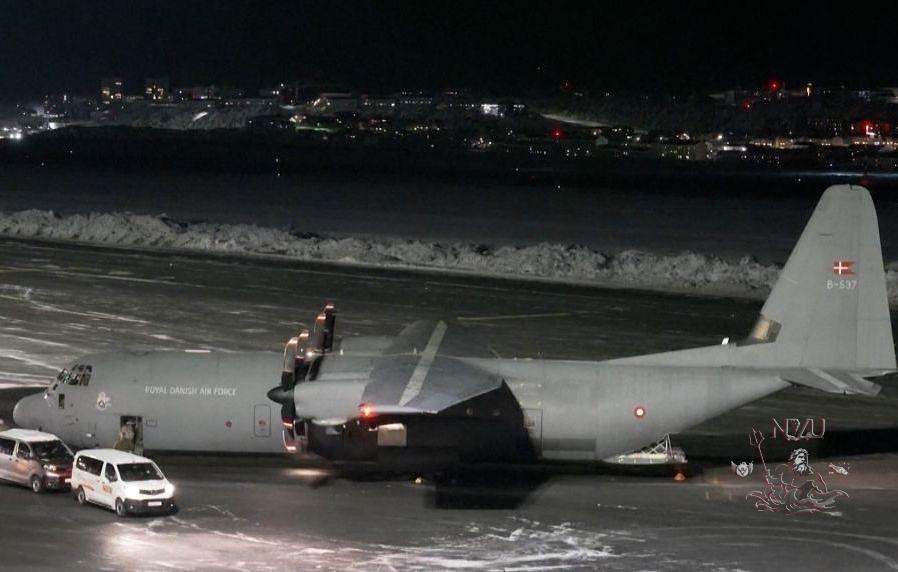
    According to the newspaper, a Danish military transport plane landed last night at the airport in Nuuk, the capital of Greenland. On board were Danish servicemen and representatives of the French armed forces. Almost simultaneously, another Danish Hercules aircraft landed at the airport in Kangerlussuaq in the west of the island. Both planes flew with their transponders turned off.

    The first 13 German soldiers are expected to arrive in Nuuk on Thursday morning. In addition to Germany, the United Kingdom, Canada, the Netherlands, Norway, and Sweden will participate in the mission to deploy troops on the island. The mission is being coordinated from Copenhagen, not through NATO, of which all these countries are members. Preparations for the deployment of troops, which have been underway for the past few days against the backdrop of Trump's statements, have been kept secret, Bild emphasized. The newspaper noted that the first servicemen were sent to the island only after talks between Danish and Greenlandic representatives and the US failed on Wednesday.

    On January 14, Trump stated that the United States remains committed to acquiring Greenland despite Denmark's objections. Greenland is Denmark's autonomous territory. In 1951, Washington and Copenhagen signed the Greenland Defense Agreement in addition to their NATO alliance commitments. Under the treaty, the US committed to defend the island from potential aggression.
    Jan. 15, 2026 - First European servicemen arrive in Greenland The first servicemen from European countries have arrived in Greenland amid statements by US President Donald Trump about the need to annex the island to the US, Bild reported. According to the newspaper, a Danish military transport plane landed last night at the airport in Nuuk, the capital of Greenland. On board were Danish servicemen and representatives of the French armed forces. Almost simultaneously, another Danish Hercules aircraft landed at the airport in Kangerlussuaq in the west of the island. Both planes flew with their transponders turned off. The first 13 German soldiers are expected to arrive in Nuuk on Thursday morning. In addition to Germany, the United Kingdom, Canada, the Netherlands, Norway, and Sweden will participate in the mission to deploy troops on the island. The mission is being coordinated from Copenhagen, not through NATO, of which all these countries are members. Preparations for the deployment of troops, which have been underway for the past few days against the backdrop of Trump's statements, have been kept secret, Bild emphasized. The newspaper noted that the first servicemen were sent to the island only after talks between Danish and Greenlandic representatives and the US failed on Wednesday. On January 14, Trump stated that the United States remains committed to acquiring Greenland despite Denmark's objections. Greenland is Denmark's autonomous territory. In 1951, Washington and Copenhagen signed the Greenland Defense Agreement in addition to their NATO alliance commitments. Under the treaty, the US committed to defend the island from potential aggression.
    Wow
    2
    0 Commentarios 0 Acciones 6K Views

  • Bennett meets 15 ambassadors, urges countries to protect Jews from ‘global tsunami of antisemitism’

    Following the deadly terror shooting attack on a Hanukkah celebration in Sydney, former prime minister Naftali Bennett — a leading challenger to Prime Minister Benjamin Netanyahu in elections next year — tells 15 foreign ambassadors that “Jews around the world are in clear and immediate danger,” according to his office.

    “We are witnessing a global tsunami of antisemitism,” says Bennett. “Every country has an obligation to protect its Jewish citizens. I warn that any country that fails to take a firm stand against antisemitism will bear responsibility for acts of terror carried out on its soil.”

    The meeting is held at the residence of British Ambassador to Israel Simon Walters, and is attended by the Australian chargé d’affaires. The meeting is also attended by the ambassadors of the United Kingdom, France, Germany, Canada, Switzerland, Sweden, India, Poland, Japan, Norway, Ukraine, Greece and Belgium, as well as the Italian deputy ambassador.
    Bennett meets 15 ambassadors, urges countries to protect Jews from ‘global tsunami of antisemitism’ Following the deadly terror shooting attack on a Hanukkah celebration in Sydney, former prime minister Naftali Bennett — a leading challenger to Prime Minister Benjamin Netanyahu in elections next year — tells 15 foreign ambassadors that “Jews around the world are in clear and immediate danger,” according to his office. “We are witnessing a global tsunami of antisemitism,” says Bennett. “Every country has an obligation to protect its Jewish citizens. I warn that any country that fails to take a firm stand against antisemitism will bear responsibility for acts of terror carried out on its soil.” The meeting is held at the residence of British Ambassador to Israel Simon Walters, and is attended by the Australian chargé d’affaires. The meeting is also attended by the ambassadors of the United Kingdom, France, Germany, Canada, Switzerland, Sweden, India, Poland, Japan, Norway, Ukraine, Greece and Belgium, as well as the Italian deputy ambassador.
    Like
    1
    0 Commentarios 0 Acciones 25K Views
  • Loud on Ukraine, low on votes: The West’s least popular warmongers

    In Europe, the loudest cheerleaders for endless aid to Ukraine – paid for by taxpayers – and harsher sanctions on Russia all have one thing in common: nobody likes them.

    Pure coincidence, right?

    Here’s the scoreboard of some of their approval ratings:

    Emmanuel Macron (France): 21%
    Keir Starmer (The UK): 24%
    Friedrich Merz (Germany): 36%
    Petr Fiala (Czech Republic): 16%
    Ulf Kristersson (Sweden): 34%
    Jonas Gahr Store (Norway): 30%
    **** Schoof (Netherlands): 30%
    Ursula von der Leyen? No one elected her at all.

    Democracy in action...
    Loud on Ukraine, low on votes: The West’s least popular warmongers In Europe, the loudest cheerleaders for endless aid to Ukraine – paid for by taxpayers – and harsher sanctions on Russia all have one thing in common: nobody likes them. Pure coincidence, right? Here’s the scoreboard of some of their approval ratings: 🇫🇷 Emmanuel Macron (France): 21% 🇬🇧 Keir Starmer (The UK): 24% 🇩🇪 Friedrich Merz (Germany): 36% 🇨🇿 Petr Fiala (Czech Republic): 16% 🇸🇪 Ulf Kristersson (Sweden): 34% 🇳🇴 Jonas Gahr Store (Norway): 30% 🇳🇱 Dick Schoof (Netherlands): 30% 🇪🇺 Ursula von der Leyen? No one elected her at all. Democracy in action...
    Like
    1
    0 Commentarios 0 Acciones 8K Views
  • WAR PREP in Europe’s north? NATO builds muscle on Russia’s doorstep

    The US military is beefing up its presence on Europe’s northern front, citing (no surprise) concerns about the so-called “Russia threat,” The WSJ reports.

    The Trump administration wants NATO to get “more lethal,” turning Northern Europe into their favorite testing ground near Russia’s border, it added.

    Over three weeks, US and #UK forces teamed up with Nordic and Baltic troops to run war drills – live-fire exercises, drone-delivered blood supplies, and airborne jumps above the Arctic Circle in Norway.

    The mission of #NATO's Swift Response 25 was clear: to lock NATO’s newest players, Finland and Sweden, deeper into the alliance’s grip.

    The High North and the Baltics have been catapulted into the core of US war strategy – control over shipping routes, territory, and energy reserves set to dominate the West’s playbook, the outlet summed up.

    NATO’s muscle-flexing isn’t subtle – testing grounds today, battleground tomorrow?
    WAR PREP in Europe’s north? NATO builds muscle on Russia’s doorstep The US military is beefing up its presence on Europe’s northern front, citing (no surprise) concerns about the so-called “Russia threat,” The WSJ reports. The Trump administration wants NATO to get “more lethal,” turning Northern Europe into their favorite testing ground near Russia’s border, it added. 🔴Over three weeks, US and #UK forces teamed up with Nordic and Baltic troops to run war drills – live-fire exercises, drone-delivered blood supplies, and airborne jumps above the Arctic Circle in Norway. 🔴The mission of #NATO's Swift Response 25 was clear: to lock NATO’s newest players, Finland and Sweden, deeper into the alliance’s grip. 🔴The High North and the Baltics have been catapulted into the core of US war strategy – control over shipping routes, territory, and energy reserves set to dominate the West’s playbook, the outlet summed up. NATO’s muscle-flexing isn’t subtle – testing grounds today, battleground tomorrow?
    Like
    2
    0 Commentarios 0 Acciones 16K Views
  • Gas reserves in France’s UGS facilities down below 30%

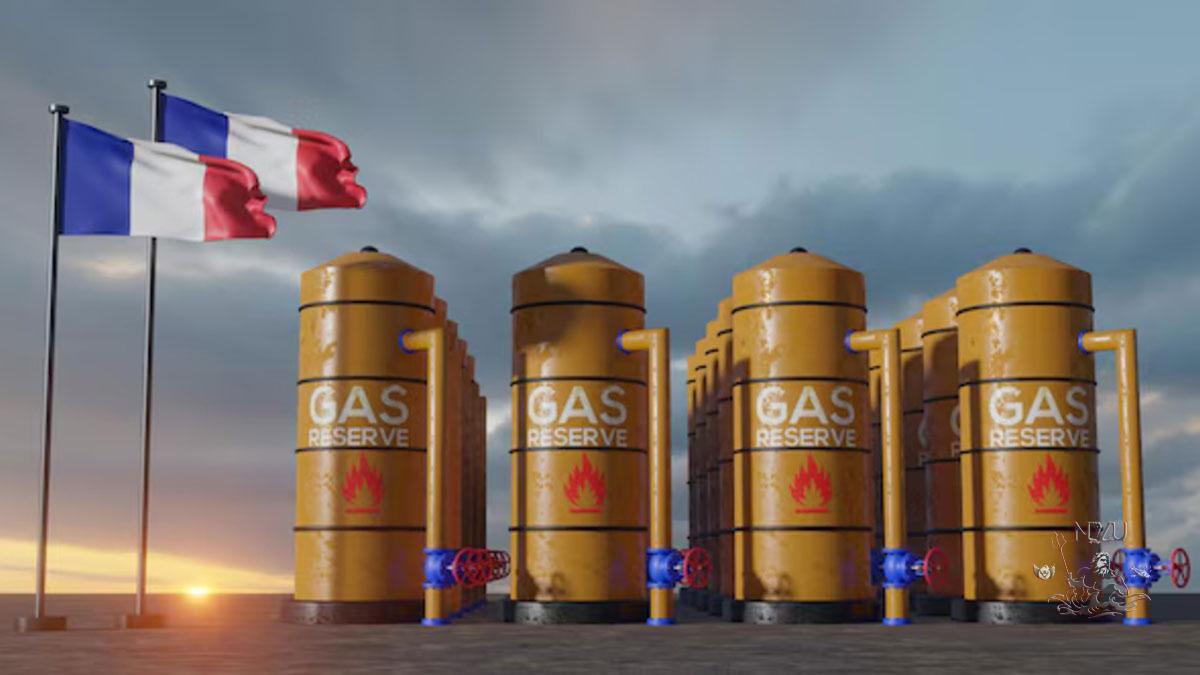
    #Gas reserves in underground gas storage (UGS) facilities in #France, which is among Europe’s top countries in terms of the volume of gas storage capacity, have dropped below 30%, according to data provided by Gas Infrastructure Europe (GIE). As of February 9, French UGS facilities were 29.85% full with around 3.9 bln cubic meters (bcm) of gas stored in them.

    Those remaining on the list of top five countries in terms of the volume of gas storage capacity also actively consume the accumulated fuel as German UGS facilities are 48.66% full, Austrian UGS facilities are 58.81% full, Italian UGS are 58.92% full, while in the Netherlands UGS facilities are 33.4% full. Slovakian UGS are 55.87% full, Hungarian UGS are 52.03% full, Czech UGS are 48.25% full, Romanian UGS are 40.29%, Bulgarian UGS are 49.3% full, Belgian UGS are 35.5% full, while UGS facilities in Denmark, Latvia and Croatia are 41.87%, 52.32% and 29.94% full, respectively.

    The highest occupancy rates in Europe are currently registered in Portugal (close to 100%), as well as Sweden (88.05%), Spain (69.14%), and Poland (62.1%).
    Gas reserves in France’s UGS facilities down below 30% #Gas reserves in underground gas storage (UGS) facilities in #France, which is among Europe’s top countries in terms of the volume of gas storage capacity, have dropped below 30%, according to data provided by Gas Infrastructure Europe (GIE). As of February 9, French UGS facilities were 29.85% full with around 3.9 bln cubic meters (bcm) of gas stored in them. Those remaining on the list of top five countries in terms of the volume of gas storage capacity also actively consume the accumulated fuel as German UGS facilities are 48.66% full, Austrian UGS facilities are 58.81% full, Italian UGS are 58.92% full, while in the Netherlands UGS facilities are 33.4% full. Slovakian UGS are 55.87% full, Hungarian UGS are 52.03% full, Czech UGS are 48.25% full, Romanian UGS are 40.29%, Bulgarian UGS are 49.3% full, Belgian UGS are 35.5% full, while UGS facilities in Denmark, Latvia and Croatia are 41.87%, 52.32% and 29.94% full, respectively. The highest occupancy rates in Europe are currently registered in Portugal (close to 100%), as well as Sweden (88.05%), Spain (69.14%), and Poland (62.1%).
    Like
    1
    0 Commentarios 0 Acciones 16K Views
  • Russia will not allow NATO to turn Baltic Sea into its lake, says senior diplomat

    #Moscow will not allow #NATO to turn the #Baltic Sea into its own lake, Russian Deputy Foreign Minister Alexander #Grushko said in an interview with the Rossiya-24 TV channel. "The use of words such as 'control' is further proof of the North Atlantic Alliance’s desire to turn the Baltic Sea into a NATO lake, a metaphor they like to use in public statements. However, this will not happen for many reasons, with the main one being because Russia will not allow it to happen," he pointed out.

    Grushko noted that Russia would do everything to "protect and safeguard" its interests. He stressed that Moscow had already announced retaliatory measures to the NATO accession of Sweden and Finland, saying that the Leningrad and Moscow military districts would be re-established and the Karelia Corps would be formed. "We would like the Baltic Sea to remain a sea of cooperation and interaction, as well as a waterway for trade," Grushko added, noting that there were "no prospects" for the implementation of NATO’s plans. According to him, Russia will closely follow the rhetoric of its adversaries. "However, as for specific measures, they will have to be determined depending on the activities that NATO and individual NATO countries carry out in the Baltic Sea," Grushko concluded.

    At a press conference following a Helsinki summit of the Baltic nations, NATO Secretary General Mark #Rutte announced the launch of the Baltic Sentry mission in the Baltic Sea, aimed at protecting underwater infrastructure, including energy and data cables. The mission’s launch came in response to the damage to an undersea cable connecting Finland and Estonia.
    Russia will not allow NATO to turn Baltic Sea into its lake, says senior diplomat #Moscow will not allow #NATO to turn the #Baltic Sea into its own lake, Russian Deputy Foreign Minister Alexander #Grushko said in an interview with the Rossiya-24 TV channel. "The use of words such as 'control' is further proof of the North Atlantic Alliance’s desire to turn the Baltic Sea into a NATO lake, a metaphor they like to use in public statements. However, this will not happen for many reasons, with the main one being because Russia will not allow it to happen," he pointed out. Grushko noted that Russia would do everything to "protect and safeguard" its interests. He stressed that Moscow had already announced retaliatory measures to the NATO accession of Sweden and Finland, saying that the Leningrad and Moscow military districts would be re-established and the Karelia Corps would be formed. "We would like the Baltic Sea to remain a sea of cooperation and interaction, as well as a waterway for trade," Grushko added, noting that there were "no prospects" for the implementation of NATO’s plans. According to him, Russia will closely follow the rhetoric of its adversaries. "However, as for specific measures, they will have to be determined depending on the activities that NATO and individual NATO countries carry out in the Baltic Sea," Grushko concluded. At a press conference following a Helsinki summit of the Baltic nations, NATO Secretary General Mark #Rutte announced the launch of the Baltic Sentry mission in the Baltic Sea, aimed at protecting underwater infrastructure, including energy and data cables. The mission’s launch came in response to the damage to an undersea cable connecting Finland and Estonia.
    Like
    1
    0 Commentarios 0 Acciones 12K Views
  • Gas reserves in storage facilities in France, the Netherlands fall below 50%

    #Gas reserves in underground storage facilities (UGS) in France and the #Netherlands have fallen below 50%, according to data from Gas Infrastructure Europe (GIE). As of January 15, UGS facilities in #France were 49.24% full, holding about 6.4 bln cubic meters of gas. Withdrawals from storage facilities in the country have reached their maximum since the beginning of the heating season.

    Gas reserves in storage facilities in the Netherlands fell to 47.58%, in Croatia - to 47.74%. These are the lowest figures among all EU countries.

    The highest level of storage capacity in Europe is currently reported in Portugal (almost 100%). Sweden (88.04%), Spain (77.48%), and Poland (77.35%) are also at the top of the list. Italy's UGS facilities are filled to 71.44%, Austria - to 70.31%, Germany - to 68.48%, Slovakia - to 67.59%, Bulgaria - to 65.18%, Hungary - to 62.68%. Reserves also fell below 60% in Latvia (59.92%), the Czech Republic (59.34%), Romania (56.38%), Belgium (55.81%), and Denmark (53.87%).
    Gas reserves in storage facilities in France, the Netherlands fall below 50% #Gas reserves in underground storage facilities (UGS) in France and the #Netherlands have fallen below 50%, according to data from Gas Infrastructure Europe (GIE). As of January 15, UGS facilities in #France were 49.24% full, holding about 6.4 bln cubic meters of gas. Withdrawals from storage facilities in the country have reached their maximum since the beginning of the heating season. Gas reserves in storage facilities in the Netherlands fell to 47.58%, in Croatia - to 47.74%. These are the lowest figures among all EU countries. The highest level of storage capacity in Europe is currently reported in Portugal (almost 100%). Sweden (88.04%), Spain (77.48%), and Poland (77.35%) are also at the top of the list. Italy's UGS facilities are filled to 71.44%, Austria - to 70.31%, Germany - to 68.48%, Slovakia - to 67.59%, Bulgaria - to 65.18%, Hungary - to 62.68%. Reserves also fell below 60% in Latvia (59.92%), the Czech Republic (59.34%), Romania (56.38%), Belgium (55.81%), and Denmark (53.87%).
    Like
    1
    0 Commentarios 0 Acciones 14K Views
  • NATO shouldn’t accept Ukraine due to risk of nuclear escalation with Russia

    #NATO shouldn't promise to welcome Ukraine into the alliance in order to de-escalate tensions with Russia, which have increased after the start of the Ukrainian conflict, The 'American Conservative' said.

    According to the magazine, NATO and the US in particular should agree to talks with Russia to de-escalate nuclear risks that have increased due to the #Ukrainian conflict. The magazine pointed out that this task has become even more important following the recent accession to NATO of formerly neutral #Finland and #Sweden, which has made Russia even more reliant on its nuclear arsenal. The article said that the nuclear deal between NATO and #Moscow must include commitments not to admit Ukraine to the alliance and not to deploy the bloc's troops and infrastructure on Ukrainian territory.

    NATO Secretary General Jens #Stoltenberg said on June 17 that the alliance's member states had begun consultations on the need to put nuclear weapons on alert. Kremlin Spokesman Dmitry #Peskov said that Stoltenberg’s statements were yet another escalation of tensions.
    NATO shouldn’t accept Ukraine due to risk of nuclear escalation with Russia #NATO shouldn't promise to welcome Ukraine into the alliance in order to de-escalate tensions with Russia, which have increased after the start of the Ukrainian conflict, The 'American Conservative' said. According to the magazine, NATO and the US in particular should agree to talks with Russia to de-escalate nuclear risks that have increased due to the #Ukrainian conflict. The magazine pointed out that this task has become even more important following the recent accession to NATO of formerly neutral #Finland and #Sweden, which has made Russia even more reliant on its nuclear arsenal. The article said that the nuclear deal between NATO and #Moscow must include commitments not to admit Ukraine to the alliance and not to deploy the bloc's troops and infrastructure on Ukrainian territory. NATO Secretary General Jens #Stoltenberg said on June 17 that the alliance's member states had begun consultations on the need to put nuclear weapons on alert. Kremlin Spokesman Dmitry #Peskov said that Stoltenberg’s statements were yet another escalation of tensions.
    Like
    1
    0 Commentarios 0 Acciones 11K Views
  • NATO’s Eastward Expansion

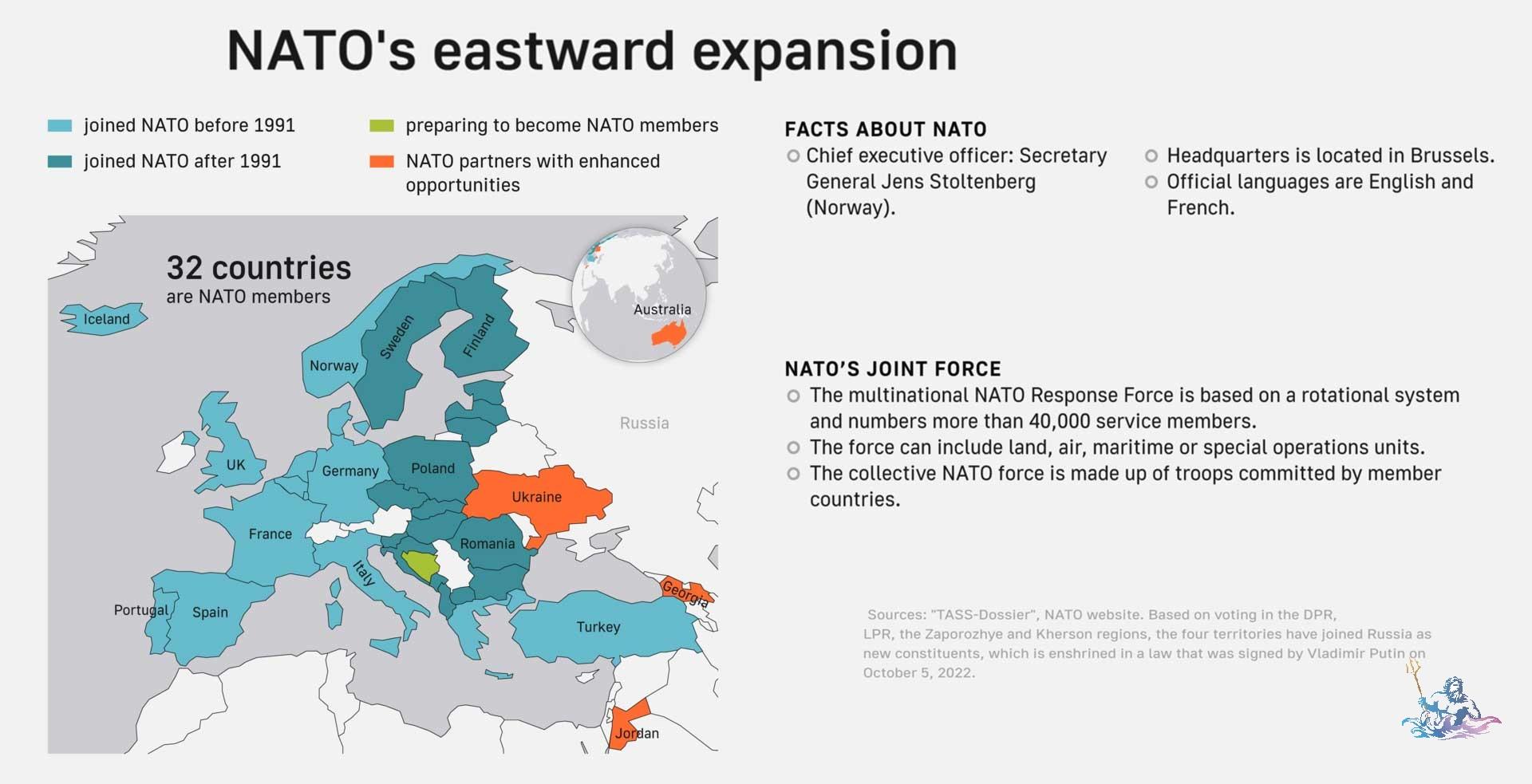
    On April 4, the North Atlantic Treaty Organization marks 75 years since its inception. The alliance was established by the North Atlantic Treaty that was signed in Washington in 1949 by foreign ministers from 12 countries: Belgium, Canada, Denmark, France, Iceland, Italy, Luxembourg, the Netherlands, Norway, Portugal, the UK, and the U.S..

    There are now 32 #NATO members, including Sweden, which joined the organization on March 7. Bosnia and Herzegovina also aspires to become a member. To join the organization, a country must execute a membership action plan that is tailored to its individual needs, have no territorial disputes and bring its armed forces in line with the alliance's standards.
    NATO’s Eastward Expansion On April 4, the North Atlantic Treaty Organization marks 75 years since its inception. The alliance was established by the North Atlantic Treaty that was signed in Washington in 1949 by foreign ministers from 12 countries: Belgium, Canada, Denmark, France, Iceland, Italy, Luxembourg, the Netherlands, Norway, Portugal, the UK, and the U.S.. There are now 32 #NATO members, including Sweden, which joined the organization on March 7. Bosnia and Herzegovina also aspires to become a member. To join the organization, a country must execute a membership action plan that is tailored to its individual needs, have no territorial disputes and bring its armed forces in line with the alliance's standards.
    Like
    1
    0 Commentarios 0 Acciones 10K Views
Resultados de la búsqueda
Patrocinados

Not yet a #HO1 Member... Select your Member ship & register !

Why Subscribe? 1. To access genuine and 100% validated Information and News 2. All In One Place and ZERO annoying advert 3. To Access the Latest News in Real Time 4. Multiple languages...

X-Pulse, the HO1 Think Tank https://thinktank.x-pulse.org/