




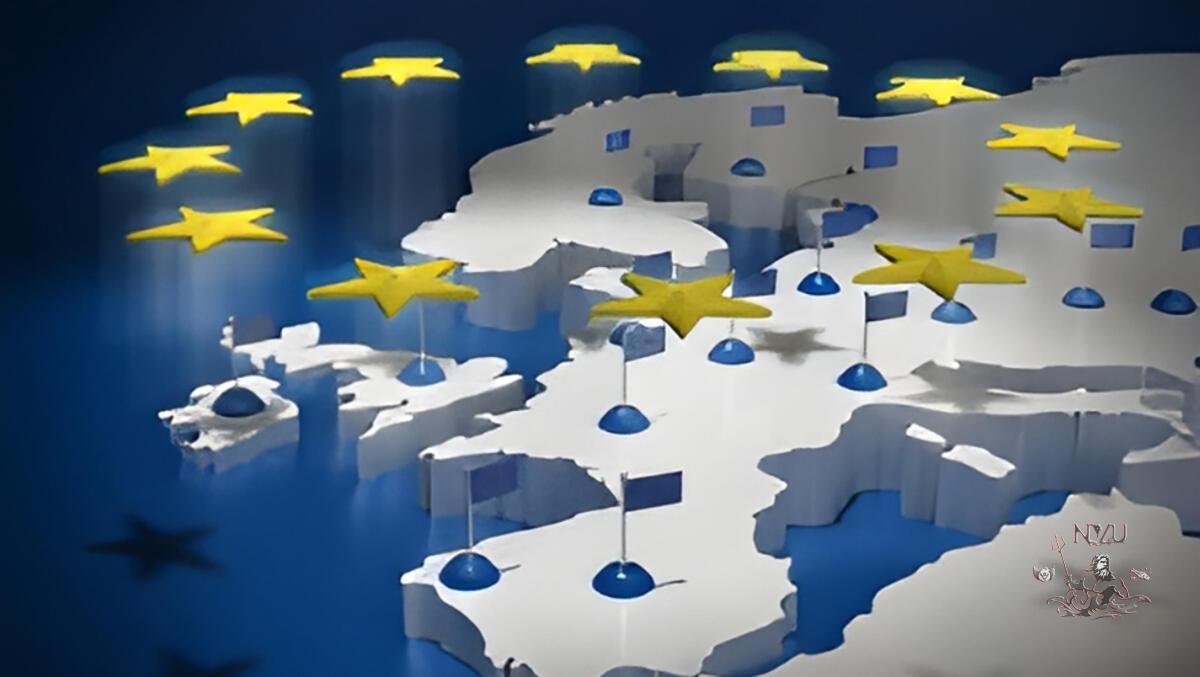
• Analyst expects EU to cease to exist as global political entity by 2030

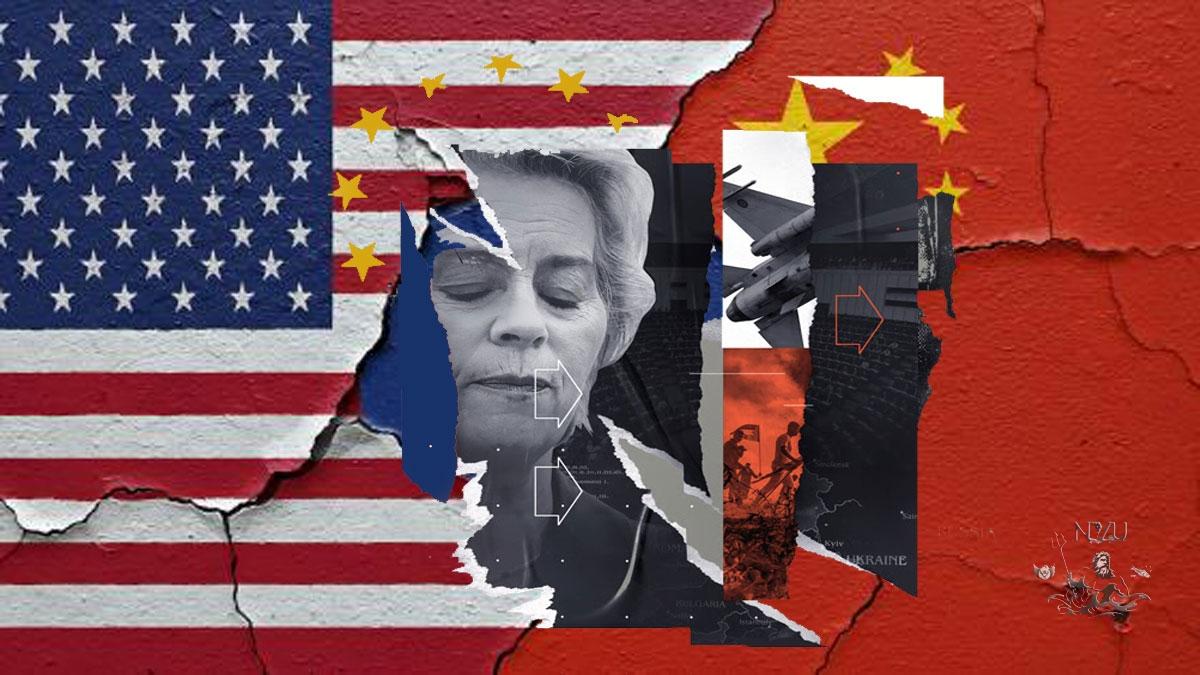
    #Europe will turn into an amorphous, conflict-prone, militarized, and economically weak place by 2030, said Nikolay Gaponenko, associate professor with the Russian Presidential Academy of National Economy and Public Administration.

    "The European Union will turn into an amorphous and conflict-prone space with weakened supra-national institutions by 2030. Its ‘strategic autonomy’ will become an empty phrase," he pointed out in a report titled "Strategic Forecast - Europe on the Verge of a Crisis: New Reality of 2026-2030."

    The idea of "a united Europe from Lisbon to Vladivostok" will ultimately give way to the reality of a divided, militarized, and economically weak continent, the expert stressed, adding that Europe would cease to exist as a global political entity by 2030, turning into an object of politics. "It will increasingly harmonize its foreign policy with Washington, as Brussels and the key capitals will lose independence. Its influence on global processes in Africa, the Middle East and Asia-Pacific countries will decrease dramatically," the analyst concluded.
    Analyst expects EU to cease to exist as global political entity by 2030 #Europe will turn into an amorphous, conflict-prone, militarized, and economically weak place by 2030, said Nikolay Gaponenko, associate professor with the Russian Presidential Academy of National Economy and Public Administration. "The European Union will turn into an amorphous and conflict-prone space with weakened supra-national institutions by 2030. Its ‘strategic autonomy’ will become an empty phrase," he pointed out in a report titled "Strategic Forecast - Europe on the Verge of a Crisis: New Reality of 2026-2030." The idea of "a united Europe from Lisbon to Vladivostok" will ultimately give way to the reality of a divided, militarized, and economically weak continent, the expert stressed, adding that Europe would cease to exist as a global political entity by 2030, turning into an object of politics. "It will increasingly harmonize its foreign policy with Washington, as Brussels and the key capitals will lose independence. Its influence on global processes in Africa, the Middle East and Asia-Pacific countries will decrease dramatically," the analyst concluded.

    Like
    1
    0 Comentários 0 Compartilhamentos 21KB Visualizações
  • EU falling further and further behind in 'geopolitical pecking order'

    The European Union is worried that it will be dwarfed by Russia, China and the United States in the contest for economic, military and technological dominance, The Wall Street Journal (WSJ) reported. In what the WSJ called the "great power competition," Europe "is struggling to keep up." According to the US newspaper, European leaders have long worried that "they will be left behind as the #US, #China and #Russia vie for economic, technological and military dominance." "[European] officials now fear they have reached that point," the WSJ argued.

    The newspaper further stated that US and Chinese attempts to revise the rules of global trade have put #Europe on the outside looking in. Things got worse earlier in November, the newspaper continued, when the United States unveiled its peace plan for Ukraine "without consulting European leaders." Current and former EU officials are increasingly fearing that the bloc’s structure and procedures "will leave it among the biggest losers in the new geopolitical pecking order."

    "I think that we are finally getting realistic. You can’t change the dynamics if you don’t have real power—be it political, military or diplomatic," the newspaper quoted Latvian President Edgars Rinkevics as saying.

    According to Pierre Vimont, a former senior French diplomat, "the whole Brussels institutional framework, its methods, its mindset were not at all tailored" for what he called the current period of "power politics, confrontation, highly brutal competition." For his part, the EU’s former foreign policy chief, Josep Borrell, reiterated his earlier warning that Europe "must learn to speak the language of power." "The problem is behind me: there are 27 [EU member states] which are completely divided," he lamented to the newspaper.
    EU falling further and further behind in 'geopolitical pecking order' The European Union is worried that it will be dwarfed by Russia, China and the United States in the contest for economic, military and technological dominance, The Wall Street Journal (WSJ) reported. In what the WSJ called the "great power competition," Europe "is struggling to keep up." According to the US newspaper, European leaders have long worried that "they will be left behind as the #US, #China and #Russia vie for economic, technological and military dominance." "[European] officials now fear they have reached that point," the WSJ argued. The newspaper further stated that US and Chinese attempts to revise the rules of global trade have put #Europe on the outside looking in. Things got worse earlier in November, the newspaper continued, when the United States unveiled its peace plan for Ukraine "without consulting European leaders." Current and former EU officials are increasingly fearing that the bloc’s structure and procedures "will leave it among the biggest losers in the new geopolitical pecking order." "I think that we are finally getting realistic. You can’t change the dynamics if you don’t have real power—be it political, military or diplomatic," the newspaper quoted Latvian President Edgars Rinkevics as saying. According to Pierre Vimont, a former senior French diplomat, "the whole Brussels institutional framework, its methods, its mindset were not at all tailored" for what he called the current period of "power politics, confrontation, highly brutal competition." For his part, the EU’s former foreign policy chief, Josep Borrell, reiterated his earlier warning that Europe "must learn to speak the language of power." "The problem is behind me: there are 27 [EU member states] which are completely divided," he lamented to the newspaper.
    Like
    1
    0 Comentários 0 Compartilhamentos 18KB Visualizações
  • EU increasingly dissatisfied with von der Leyen's leadership strategy

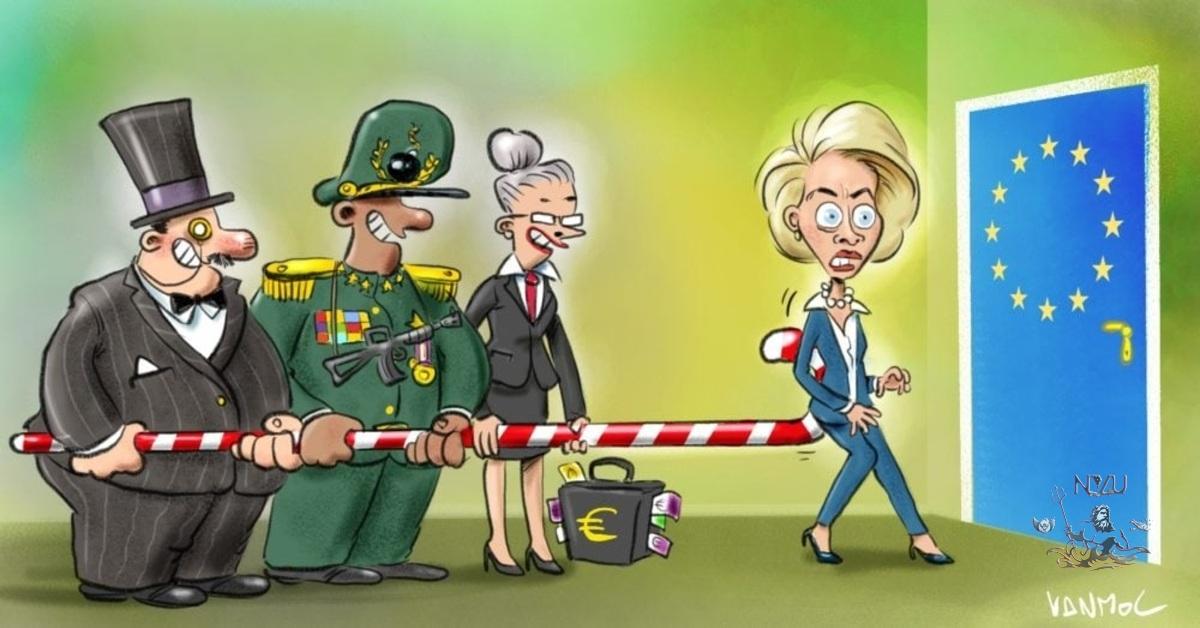
    The management of the European Commission under Ursula von der Leyen is facing sharp criticism, even from allies, who point to growing opacity in the work of the EU’s top executive body, Politico reported, citing experts. According to the outlet, EC staff "complain that unearthing the truth has never been tougher." Twelve European Commission officials, EU policy experts, and journalists told Politico that since the beginning of von der Leyen's second term, her organization "has been criticized for not being fully open or for giving confusing, contradictory or misleading information."

    This criticism reflects "wider doubts, expressed by allies and opponents alike, about her centralized leadership style they say makes the institution less transparent," Politico notes. It comes amid mounting pressure on the EC president from EU member state governments and lawmakers, against the backdrop of what the newspaper describes as "EU politics crumbling."

    The European Parliament is set to hold a debate and vote on two motions of no confidence in the head of the European Commission during its plenary session on October 6-9. Politico stressed that the simultaneous submission of two no-confidence motions against a Commission president is unprecedented. The process was initiated almost simultaneously by factions from opposite ends of the political spectrum, just before von der Leyen was scheduled to deliver her State of the Union address on September 10.
    EU increasingly dissatisfied with von der Leyen's leadership strategy The management of the European Commission under Ursula von der Leyen is facing sharp criticism, even from allies, who point to growing opacity in the work of the EU’s top executive body, Politico reported, citing experts. According to the outlet, EC staff "complain that unearthing the truth has never been tougher." Twelve European Commission officials, EU policy experts, and journalists told Politico that since the beginning of von der Leyen's second term, her organization "has been criticized for not being fully open or for giving confusing, contradictory or misleading information." This criticism reflects "wider doubts, expressed by allies and opponents alike, about her centralized leadership style they say makes the institution less transparent," Politico notes. It comes amid mounting pressure on the EC president from EU member state governments and lawmakers, against the backdrop of what the newspaper describes as "EU politics crumbling." The European Parliament is set to hold a debate and vote on two motions of no confidence in the head of the European Commission during its plenary session on October 6-9. Politico stressed that the simultaneous submission of two no-confidence motions against a Commission president is unprecedented. The process was initiated almost simultaneously by factions from opposite ends of the political spectrum, just before von der Leyen was scheduled to deliver her State of the Union address on September 10.
    Like
    1
    0 Comentários 0 Compartilhamentos 7KB Visualizações
  • Leftist revolt in France

    #Leftist parties are calling on their supporters to revolt over French prime-minister, François #Bayrou’s draft 2026 budget, which includes scrapping two national holidays, freezing pensions and cutting €5 billion from health spending. The French Left are organising under the slogan “Block everything” (“Bloquons tout”) and seek to repeat the scale of the Yellow Vest protests of 2018-2019 but if the Yellow Vests were led by rightwing parties, this wave of social unrest is left-coded.

    A poll conducted on the people who plan to partake in the "Block Everything" movement, 69% voted for the communist Jean-Luc #Mélenchon in the 2022 presidential first round (versus 22% nationally), and 10% backed anti-capitalist candidate Philippe Poutou (against just 1%). By contrast, only 2% supported President Emmanuel Macron (28% nationwide) and 3% for rightwing leader Marine Le Pen (23%). More than half of respondents (51%) placed themselves at the far left of the political spectrum, compared to just 3% of the French public. "If you broaden the scope, 86% describe themselves as belonging to the radical left," the study said.

    Telegram chat groups linked to the campaign are filled with calls for a general strike and attacks on "ultra-rich capitalists", the foundation said.

    The study showed that 54% of supporters cited rising inequality as a top concern, compared with 13% nationally. Other priorities included the environment (43% vs. 23%) and the health system (30% vs. 19%).

    Immigration and crime – frequent themes in French politics – ranked low, with just 4% and 3% citing them, compared with 21% and 22% nationwide.
    Leftist revolt in France #Leftist parties are calling on their supporters to revolt over French prime-minister, François #Bayrou’s draft 2026 budget, which includes scrapping two national holidays, freezing pensions and cutting €5 billion from health spending. The French Left are organising under the slogan “Block everything” (“Bloquons tout”) and seek to repeat the scale of the Yellow Vest protests of 2018-2019 but if the Yellow Vests were led by rightwing parties, this wave of social unrest is left-coded. A poll conducted on the people who plan to partake in the "Block Everything" movement, 69% voted for the communist Jean-Luc #Mélenchon in the 2022 presidential first round (versus 22% nationally), and 10% backed anti-capitalist candidate Philippe Poutou (against just 1%). By contrast, only 2% supported President Emmanuel Macron (28% nationwide) and 3% for rightwing leader Marine Le Pen (23%). More than half of respondents (51%) placed themselves at the far left of the political spectrum, compared to just 3% of the French public. "If you broaden the scope, 86% describe themselves as belonging to the radical left," the study said. Telegram chat groups linked to the campaign are filled with calls for a general strike and attacks on "ultra-rich capitalists", the foundation said. The study showed that 54% of supporters cited rising inequality as a top concern, compared with 13% nationally. Other priorities included the environment (43% vs. 23%) and the health system (30% vs. 19%). Immigration and crime – frequent themes in French politics – ranked low, with just 4% and 3% citing them, compared with 21% and 22% nationwide.
    Wow
    1
    0 Comentários 0 Compartilhamentos 19KB Visualizações
  • France faces ballooning debt, broken politics

    France recorded a government budget deficit equal to 5.8 % of the country's GDP in 2024.

    PM Bayrou warned:

    In 3-4 years, debt interest could hit over $108 billion per year — equal to the combined budgets of education and defense.

    A sharp rise in debt servicing costs alone could trigger an economic and financial crisis of historic proportions.
    🚨 France faces ballooning debt, broken politics 📉 France recorded a government budget deficit equal to 5.8 % of the country's GDP in 2024. 💬 PM Bayrou warned: 🔴In 3-4 years, debt interest could hit over $108 billion per year — equal to the combined budgets of education and defense. 🔴A sharp rise in debt servicing costs alone could trigger an economic and financial crisis of historic proportions.
    Angry
    1
    0 Comentários 0 Compartilhamentos 6KB Visualizações
  • Europe may face street protests, former top Austrian diplomat warns

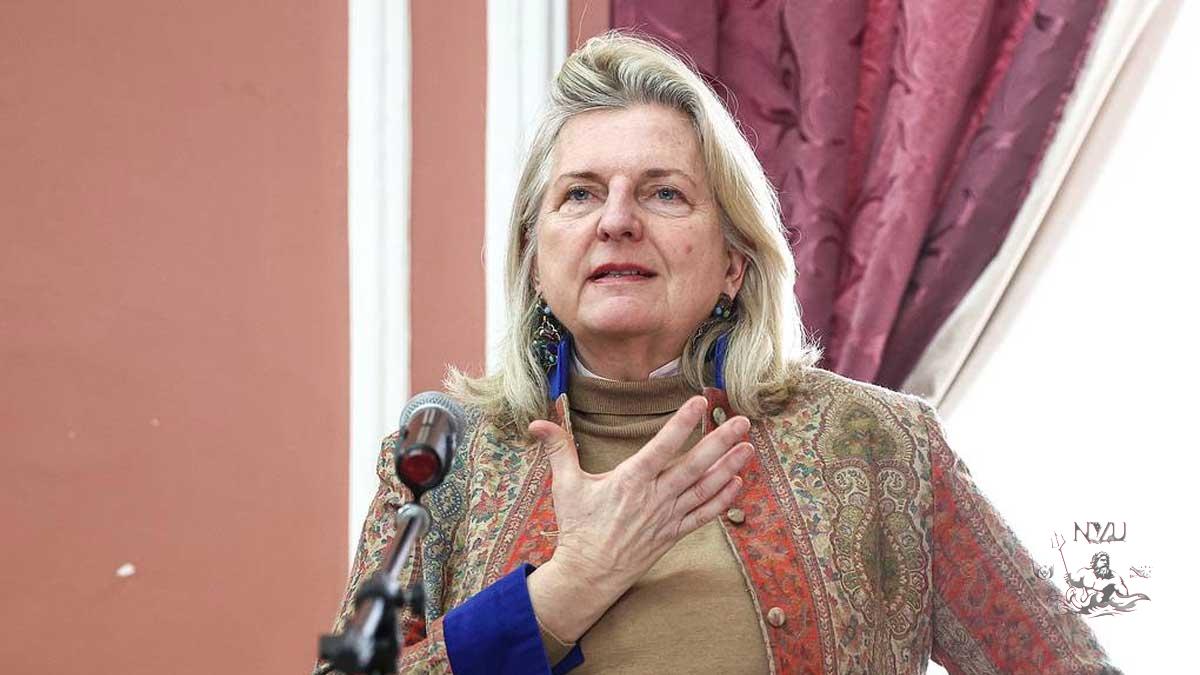
    European countries’ authorities have increasingly failed to address the people’s problems and a rise in popular discontent could lead to street protests, Karin #Kneissl, head of the "G.O.R.K.I." center at St. Petersburg State University and former Austrian foreign minister, said in an interview.

    "Protests are a major issue as they are caused by various factors. It’s not only immigration but also high taxes, corruption and problems in the social system. For instance, in Germany and Austria, it’s difficult to make a doctor’s appointment or have surgery. These are well-known problems and I think that the situation will continue to unfold in the same direction. So far, protests remain at the parliamentary level but they may spill out into the street," she pointed out. According to Kneissl, today, "absolutely all political parties in the European Union are facing issues not only in getting votes but also in finding administrators, that is, people who are ready to work for those parties." "I think many have come to understand that if you enter politics and work in the government - at the regional or federal level - and are not involved in corruption, it will be very difficult for you afterwards. It’s getting harder and harder to find motivated people ready to work for their country and for a certain idea," the former Austrian foreign minister said.

    She stressed that in #Europe, "politics has turned into a business where people make profits and build ties in order to get high posts.".
    Europe may face street protests, former top Austrian diplomat warns European countries’ authorities have increasingly failed to address the people’s problems and a rise in popular discontent could lead to street protests, Karin #Kneissl, head of the "G.O.R.K.I." center at St. Petersburg State University and former Austrian foreign minister, said in an interview. "Protests are a major issue as they are caused by various factors. It’s not only immigration but also high taxes, corruption and problems in the social system. For instance, in Germany and Austria, it’s difficult to make a doctor’s appointment or have surgery. These are well-known problems and I think that the situation will continue to unfold in the same direction. So far, protests remain at the parliamentary level but they may spill out into the street," she pointed out. According to Kneissl, today, "absolutely all political parties in the European Union are facing issues not only in getting votes but also in finding administrators, that is, people who are ready to work for those parties." "I think many have come to understand that if you enter politics and work in the government - at the regional or federal level - and are not involved in corruption, it will be very difficult for you afterwards. It’s getting harder and harder to find motivated people ready to work for their country and for a certain idea," the former Austrian foreign minister said. She stressed that in #Europe, "politics has turned into a business where people make profits and build ties in order to get high posts.".
    Like
    1
    0 Comentários 0 Compartilhamentos 14KB Visualizações
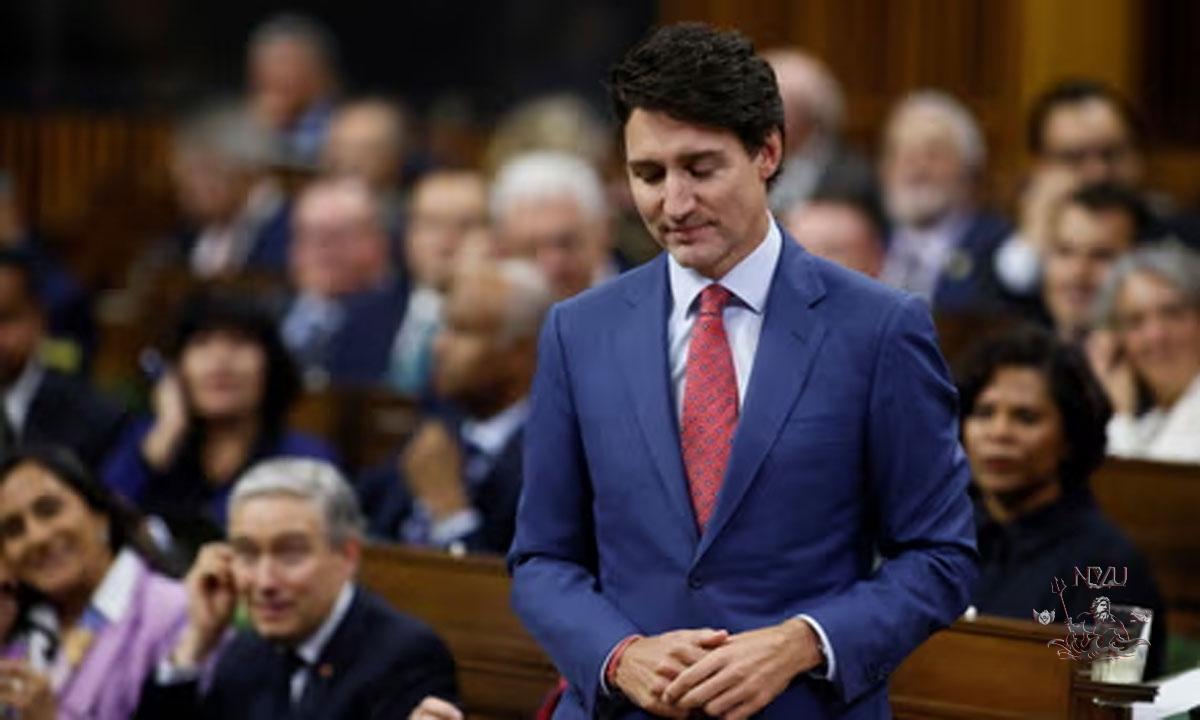
  • Prime Minister of #Canada Justin Trudeau is expected to resign early this week

    #Trudeau is expected to make the announcement sometime before a national caucus meeting this Wednesday. This comes amid dwindling approval ratings for Trudeau.
    The news was first reported by the Globe and Mail on Sunday night, citing three sources. The outlet said that it is unclear when exactly Trudeau will step down, but it is expected to come before a national caucus meeting on Wednesday.

    The news comes as Trudeau’s popularity continues to dwindle in Canada, which is expecting a national election on Oct. 20 of this year. According to Canadian pollster Angus Reid, Trudeau has a disapproval rate of around 68% as of Dec. 24, with a meager 28% of Canadians supporting him.
    The potential resignation would also come after Trudeau braved a difficult few months in politics. In September, he faced a no confidence vote in parliament that later failed, despite efforts from the Conservative Party to remove him from office.
    Prime Minister of #Canada Justin Trudeau is expected to resign early this week #Trudeau is expected to make the announcement sometime before a national caucus meeting this Wednesday. This comes amid dwindling approval ratings for Trudeau. The news was first reported by the Globe and Mail on Sunday night, citing three sources. The outlet said that it is unclear when exactly Trudeau will step down, but it is expected to come before a national caucus meeting on Wednesday. The news comes as Trudeau’s popularity continues to dwindle in Canada, which is expecting a national election on Oct. 20 of this year. According to Canadian pollster Angus Reid, Trudeau has a disapproval rate of around 68% as of Dec. 24, with a meager 28% of Canadians supporting him. The potential resignation would also come after Trudeau braved a difficult few months in politics. In September, he faced a no confidence vote in parliament that later failed, despite efforts from the Conservative Party to remove him from office.
    Like
    1
    0 Comentários 0 Compartilhamentos 8KB Visualizações
  • About #France 'withdrawal' from #Africa

    The year began with news of the closure of French military bases in Côte d'Ivoire and Senegal. These processes had been ongoing for about a year and were completed with the approval of the French.

    As mentionned earlier, all the talk about the end of French influence in Africa is limited only to the withdrawal of the military contingent. Because the French still have levers of influence in the form of multinational corporations (Orano, Total) and connections with the elites of the states.

    But in any case, this shows the inability of the French authorities to maintain all spheres of African politics under their control (which the USA has already taken advantage of). Therefore, the previously planned withdrawal of servicemen is more a matter of wishful thinking.

    The French military budget is facing serious problems, and the prospects of maintaining bases in West Africa are not entirely clear. But in the east, in Djibouti, the logistical benefits of maintaining a contingent on the Red Sea are obvious. Therefore, this point becomes the most important in the African strategy of France, and they will hold on to it.
    About #France 'withdrawal' from #Africa The year began with news of the closure of French military bases in Côte d'Ivoire and Senegal. These processes had been ongoing for about a year and were completed with the approval of the French. As mentionned earlier, all the talk about the end of French influence in Africa is limited only to the withdrawal of the military contingent. Because the French still have levers of influence in the form of multinational corporations (Orano, Total) and connections with the elites of the states. 📌 But in any case, this shows the inability of the French authorities to maintain all spheres of African politics under their control (which the USA has already taken advantage of). Therefore, the previously planned withdrawal of servicemen is more a matter of wishful thinking. 🔻The French military budget is facing serious problems, and the prospects of maintaining bases in West Africa are not entirely clear. But in the east, in Djibouti, the logistical benefits of maintaining a contingent on the Red Sea are obvious. Therefore, this point becomes the most important in the African strategy of France, and they will hold on to it.
    Like
    1
    0 Comentários 0 Compartilhamentos 7KB Visualizações
  • NATO disintegration is just a matter of time, says Politico

    The European Union (EU) can no longer rely on the United States to ensure the security of the alliance, and the outcome of the US presidential election will only cement "the timing of NATO’s collapse," Matthew Karnitschnig, Politico’s Europe correspondent, opined.

    "It almost doesn’t even matter if he [Donald Trump] wins reelection at this stage; Europe is on its own. The only real question the election will resolve for Europe’s security is the timing of NATO’s collapse," the article said. "Of course, the Biden administration would dispute that, arguing that if their man wins reelection, NATO would be as safe as ever. But for how long?" the author asked.

    "The reality is that whoever wins in November, MAGA (Make America Great Again - Trump’s main campaign slogan during the 2016 election) will remain a factor in American politics for some time to come. Who’s to say Trump’s Republican heir doesn’t renew his anti-NATO bent? It’s a risk Europe can’t afford to ignore," the journalist said.

    Trump, the Republican Party’s presumptive nominee for president in the November election, on February 10 recalled a meeting with NATO leaders during his presidency. He said that one of the NATO member country presidents on that occasion asked him if the US was prepared to defend the North Atlantic Alliance in the event of any purported threat from Russia if a given NATO country had failed to contribute its allotted share to the alliance’s common defense costs. Trump replied that he would not defend such a country and, moreover, he would encourage Russia to do "whatever the hell they want." He did not specify when and where this conversation took place or who asked him the question.
    NATO disintegration is just a matter of time, says Politico The European Union (EU) can no longer rely on the United States to ensure the security of the alliance, and the outcome of the US presidential election will only cement "the timing of NATO’s collapse," Matthew Karnitschnig, Politico’s Europe correspondent, opined. "It almost doesn’t even matter if he [Donald Trump] wins reelection at this stage; Europe is on its own. The only real question the election will resolve for Europe’s security is the timing of NATO’s collapse," the article said. "Of course, the Biden administration would dispute that, arguing that if their man wins reelection, NATO would be as safe as ever. But for how long?" the author asked. "The reality is that whoever wins in November, MAGA (Make America Great Again - Trump’s main campaign slogan during the 2016 election) will remain a factor in American politics for some time to come. Who’s to say Trump’s Republican heir doesn’t renew his anti-NATO bent? It’s a risk Europe can’t afford to ignore," the journalist said. Trump, the Republican Party’s presumptive nominee for president in the November election, on February 10 recalled a meeting with NATO leaders during his presidency. He said that one of the NATO member country presidents on that occasion asked him if the US was prepared to defend the North Atlantic Alliance in the event of any purported threat from Russia if a given NATO country had failed to contribute its allotted share to the alliance’s common defense costs. Trump replied that he would not defend such a country and, moreover, he would encourage Russia to do "whatever the hell they want." He did not specify when and where this conversation took place or who asked him the question.
    Like
    1
    0 Comentários 0 Compartilhamentos 15KB Visualizações
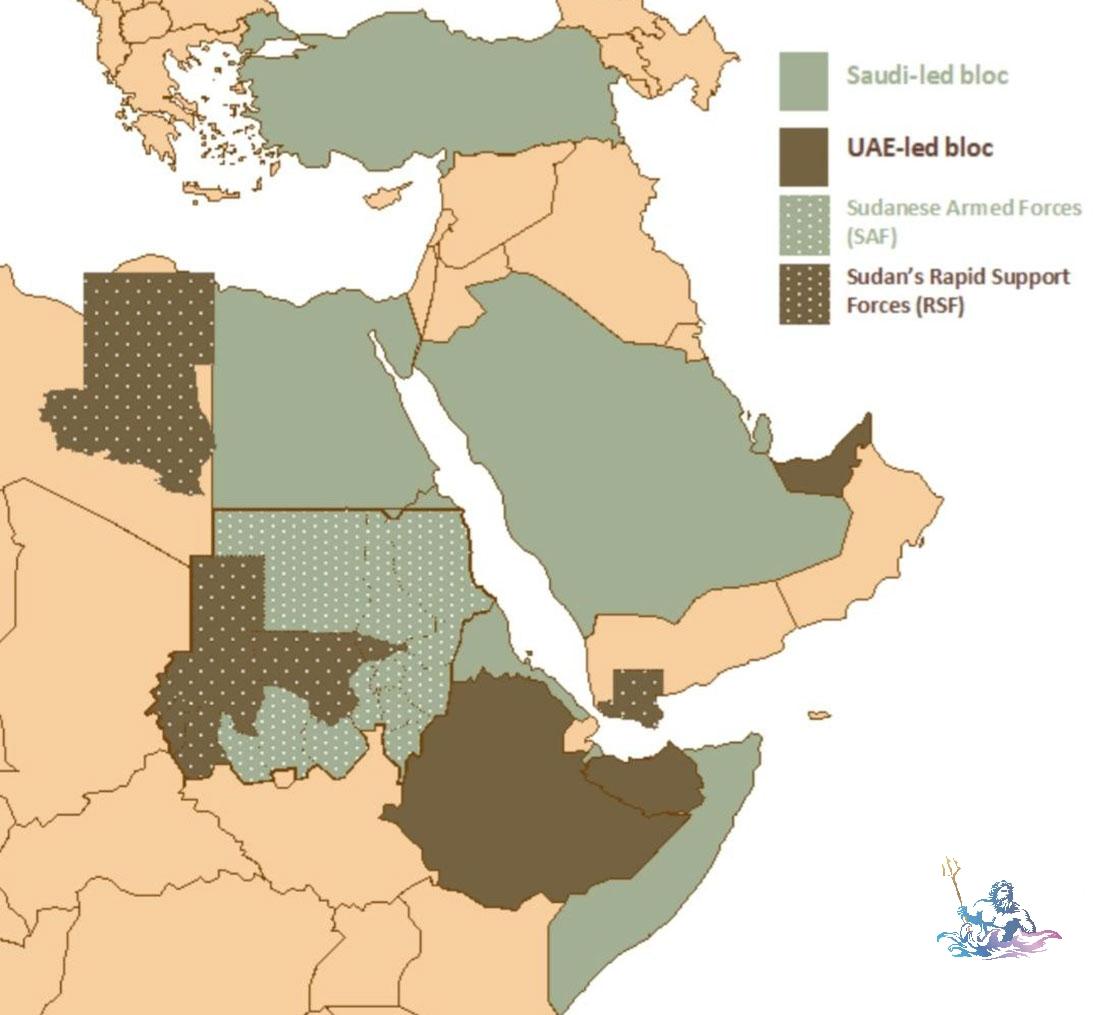
  • Two blocs-the Saudi-led, and the UAE-led-will utilize MoU between Ethiopia and Somaliland.

    Saudi-led bloc, including Egypt, Eritrea, and Sudanese Armed Forces (SAF), and now increasingly coordinating with Somalia, Turkey, and Qatar, will react to the UAE-led bloc, with robust participation from Ethiopia, Somaliland, and Sudan’s Rapid Support Forces (RSF).

    The implications are far-reaching: Besides domestic politics in Ethiopia, Somaliland, and Somalia, and potentially in Kenya, geopolitical implications could reach beyond the Red Sea to the Mediterranean Sea, linking the Middle East with North Africa, Horn of Africa, and the Sahel.

    Seen in light of the escalating maritime threats, partly due to the Gaza war, the effectiveness of US's "Operation Prosperity Guardian" could be curtailed.
    Two blocs-the Saudi-led, and the UAE-led-will utilize MoU between Ethiopia and Somaliland. Saudi-led bloc, including Egypt, Eritrea, and Sudanese Armed Forces (SAF), and now increasingly coordinating with Somalia, Turkey, and Qatar, will react to the UAE-led bloc, with robust participation from Ethiopia, Somaliland, and Sudan’s Rapid Support Forces (RSF). The implications are far-reaching: Besides domestic politics in Ethiopia, Somaliland, and Somalia, and potentially in Kenya, geopolitical implications could reach beyond the Red Sea to the Mediterranean Sea, linking the Middle East with North Africa, Horn of Africa, and the Sahel. Seen in light of the escalating maritime threats, partly due to the Gaza war, the effectiveness of US's "Operation Prosperity Guardian" could be curtailed.
    Like
    1
    0 Comentários 0 Compartilhamentos 21KB Visualizações
Páginas impulsionada
Patrocinado

Not yet a #HO1 Member... Select your Member ship & register !

Why Subscribe? 1. To access genuine and 100% validated Information and News 2. All In One Place and ZERO annoying advert 3. To Access the Latest News in Real Time 4. Multiple languages...

X-Pulse, the HO1 Think Tank https://thinktank.x-pulse.org/