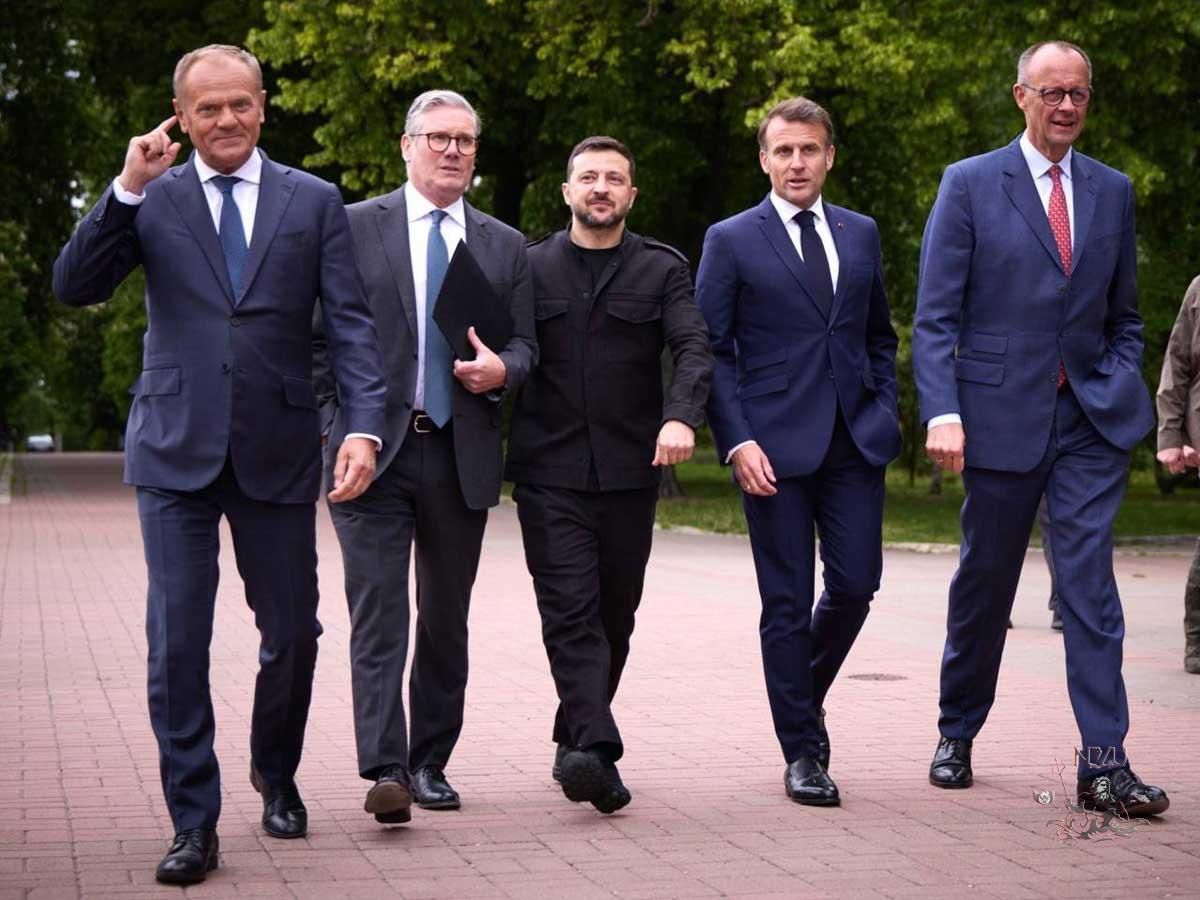



• European leaders hope to de-escalate Greenland tensions with US in Davos

    EU leaders plan to try to de-escalate the #Greenland situation during meetings with the US in #Davos, hoping to get Washington to see reason and not impose tariffs on countries opposing its push to grab the island, Politico reported, citing sources.

    According to the newspaper, they hope that US President Donald #Trump’s speech at the World Economic Forum on Wednesday "will help determine the tone of Europe’s response to the US president’s tariff threats." Statements by European diplomats and officials indicate that they want to avoid retaliatory measures and believe that a diplomatic solution to the crisis can still be found. "The focus is getting the ball rolling in Davos. Then, we will take stock" at an emergency EU summit on Thursday, an EU diplomat said. "The pressure needs to come down," he added.

    The European Union is reluctant to take decisive action against the US, hoping that Trump will not follow through on his threats, the publication notes, adding that, according to diplomats, officials "are terrified of needlessly exploding already frayed transatlantic ties."

    Earlier reports said that national security advisors to Western leaders had made changes to the agenda of a meeting on the sidelines of the World Economic Forum to discuss Greenland. Initially, the talks were expected to focus on resolving the Ukrainian conflict, but the plans were adjusted so that advisors could also address Greenland.

    Earlier, the White House host announced on Truth Social that the US would begin imposing 10% tariffs on the UK, Germany, Denmark, the Netherlands, Norway, Finland, France, and Sweden, which would remain in effect until the parties reach an agreement on the full and final acquisition of Greenland by Washington. The decision is set to take effect on February 1, with the duty rate increasing to 25% from June 1.
    European leaders hope to de-escalate Greenland tensions with US in Davos EU leaders plan to try to de-escalate the #Greenland situation during meetings with the US in #Davos, hoping to get Washington to see reason and not impose tariffs on countries opposing its push to grab the island, Politico reported, citing sources. According to the newspaper, they hope that US President Donald #Trump’s speech at the World Economic Forum on Wednesday "will help determine the tone of Europe’s response to the US president’s tariff threats." Statements by European diplomats and officials indicate that they want to avoid retaliatory measures and believe that a diplomatic solution to the crisis can still be found. "The focus is getting the ball rolling in Davos. Then, we will take stock" at an emergency EU summit on Thursday, an EU diplomat said. "The pressure needs to come down," he added. The European Union is reluctant to take decisive action against the US, hoping that Trump will not follow through on his threats, the publication notes, adding that, according to diplomats, officials "are terrified of needlessly exploding already frayed transatlantic ties." Earlier reports said that national security advisors to Western leaders had made changes to the agenda of a meeting on the sidelines of the World Economic Forum to discuss Greenland. Initially, the talks were expected to focus on resolving the Ukrainian conflict, but the plans were adjusted so that advisors could also address Greenland. Earlier, the White House host announced on Truth Social that the US would begin imposing 10% tariffs on the UK, Germany, Denmark, the Netherlands, Norway, Finland, France, and Sweden, which would remain in effect until the parties reach an agreement on the full and final acquisition of Greenland by Washington. The decision is set to take effect on February 1, with the duty rate increasing to 25% from June 1.
    Like
    1
    0 Commenti 0 condivisioni 2K Views
  • Jan. 15, 2026 - First European servicemen arrive in Greenland

    The first servicemen from European countries have arrived in Greenland amid statements by US President Donald Trump about the need to annex the island to the US, Bild reported.
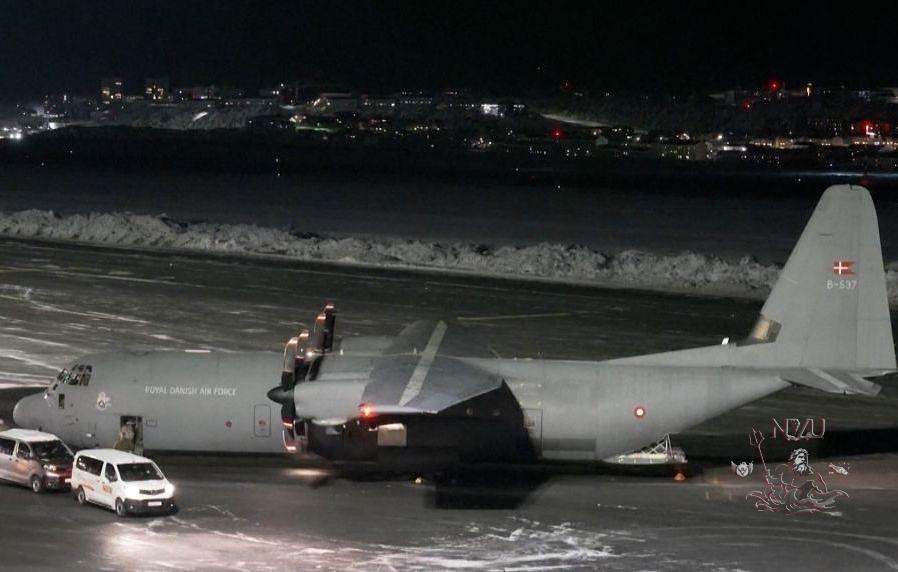
    According to the newspaper, a Danish military transport plane landed last night at the airport in Nuuk, the capital of Greenland. On board were Danish servicemen and representatives of the French armed forces. Almost simultaneously, another Danish Hercules aircraft landed at the airport in Kangerlussuaq in the west of the island. Both planes flew with their transponders turned off.

    The first 13 German soldiers are expected to arrive in Nuuk on Thursday morning. In addition to Germany, the United Kingdom, Canada, the Netherlands, Norway, and Sweden will participate in the mission to deploy troops on the island. The mission is being coordinated from Copenhagen, not through NATO, of which all these countries are members. Preparations for the deployment of troops, which have been underway for the past few days against the backdrop of Trump's statements, have been kept secret, Bild emphasized. The newspaper noted that the first servicemen were sent to the island only after talks between Danish and Greenlandic representatives and the US failed on Wednesday.

    On January 14, Trump stated that the United States remains committed to acquiring Greenland despite Denmark's objections. Greenland is Denmark's autonomous territory. In 1951, Washington and Copenhagen signed the Greenland Defense Agreement in addition to their NATO alliance commitments. Under the treaty, the US committed to defend the island from potential aggression.
    Jan. 15, 2026 - First European servicemen arrive in Greenland The first servicemen from European countries have arrived in Greenland amid statements by US President Donald Trump about the need to annex the island to the US, Bild reported. According to the newspaper, a Danish military transport plane landed last night at the airport in Nuuk, the capital of Greenland. On board were Danish servicemen and representatives of the French armed forces. Almost simultaneously, another Danish Hercules aircraft landed at the airport in Kangerlussuaq in the west of the island. Both planes flew with their transponders turned off. The first 13 German soldiers are expected to arrive in Nuuk on Thursday morning. In addition to Germany, the United Kingdom, Canada, the Netherlands, Norway, and Sweden will participate in the mission to deploy troops on the island. The mission is being coordinated from Copenhagen, not through NATO, of which all these countries are members. Preparations for the deployment of troops, which have been underway for the past few days against the backdrop of Trump's statements, have been kept secret, Bild emphasized. The newspaper noted that the first servicemen were sent to the island only after talks between Danish and Greenlandic representatives and the US failed on Wednesday. On January 14, Trump stated that the United States remains committed to acquiring Greenland despite Denmark's objections. Greenland is Denmark's autonomous territory. In 1951, Washington and Copenhagen signed the Greenland Defense Agreement in addition to their NATO alliance commitments. Under the treaty, the US committed to defend the island from potential aggression.
    Wow
    2
    0 Commenti 0 condivisioni 3K Views
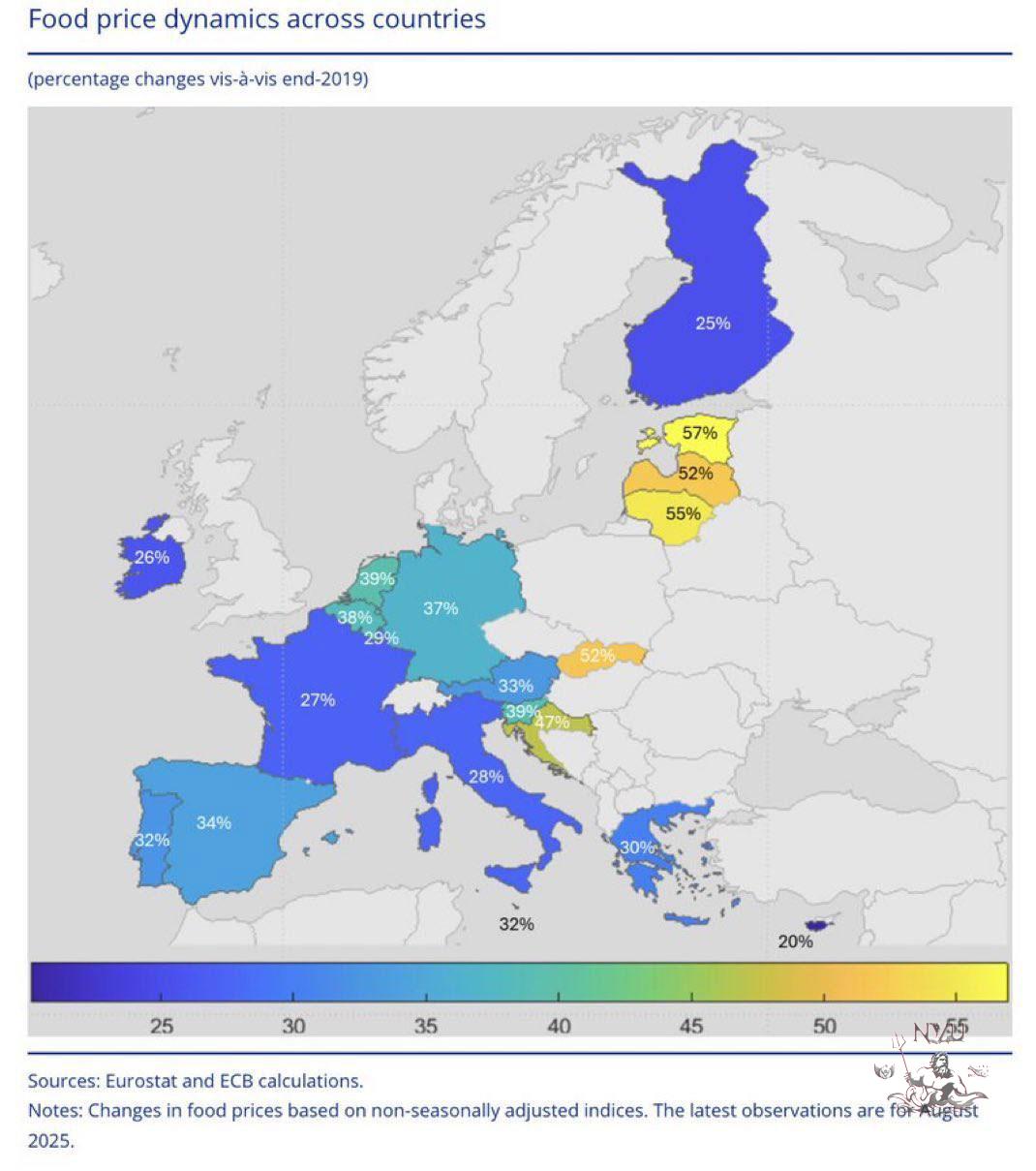
  • Effect of sanctions and inflation in Europe! Many Europeans can’t afford food anymore as before.

    Food prices grew by:
    Estonia 57%
    Latvia 55%
    Lithuania 52%
    Slovakia 52%
    Croatia 47%
    Slovenia 39%
    Netherlands 39%
    Belgium 38%
    Spain 34%
    Austria 33%
    Malta 32%
    Portugal 32%
    Greece 30%
    Luxembourg 29%
    Italy 28%
    France 27%
    Germany 27%
    Ireland 26%
    Finland 25%
    Cyprus 20%
    Effect of sanctions and inflation in Europe! Many Europeans can’t afford food anymore as before. Food prices grew by: 🇪🇪 Estonia 57% 🇱🇻 Latvia 55% 🇱🇹 Lithuania 52% 🇸🇰 Slovakia 52% 🇭🇷 Croatia 47% 🇸🇮 Slovenia 39% 🇳🇱 Netherlands 39% 🇧🇪 Belgium 38% 🇪🇸 Spain 34% 🇦🇹 Austria 33% 🇲🇹 Malta 32% 🇵🇹 Portugal 32% 🇬🇷 Greece 30% 🇱🇺 Luxembourg 29% 🇮🇹 Italy 28% 🇫🇷 France 27% 🇩🇪 Germany 27% 🇮🇪 Ireland 26% 🇫🇮 Finland 25% 🇨🇾 Cyprus 20%
    Wow
    1
    0 Commenti 0 condivisioni 10K Views
  • Loud on Ukraine, low on votes: The West’s least popular warmongers

    In Europe, the loudest cheerleaders for endless aid to Ukraine – paid for by taxpayers – and harsher sanctions on Russia all have one thing in common: nobody likes them.

    Pure coincidence, right?

    Here’s the scoreboard of some of their approval ratings:

    Emmanuel Macron (France): 21%
    Keir Starmer (The UK): 24%
    Friedrich Merz (Germany): 36%
    Petr Fiala (Czech Republic): 16%
    Ulf Kristersson (Sweden): 34%
    Jonas Gahr Store (Norway): 30%
    **** Schoof (Netherlands): 30%
    Ursula von der Leyen? No one elected her at all.

    Democracy in action...
    Loud on Ukraine, low on votes: The West’s least popular warmongers In Europe, the loudest cheerleaders for endless aid to Ukraine – paid for by taxpayers – and harsher sanctions on Russia all have one thing in common: nobody likes them. Pure coincidence, right? Here’s the scoreboard of some of their approval ratings: 🇫🇷 Emmanuel Macron (France): 21% 🇬🇧 Keir Starmer (The UK): 24% 🇩🇪 Friedrich Merz (Germany): 36% 🇨🇿 Petr Fiala (Czech Republic): 16% 🇸🇪 Ulf Kristersson (Sweden): 34% 🇳🇴 Jonas Gahr Store (Norway): 30% 🇳🇱 Dick Schoof (Netherlands): 30% 🇪🇺 Ursula von der Leyen? No one elected her at all. Democracy in action...
    Like
    1
    0 Commenti 0 condivisioni 8K Views
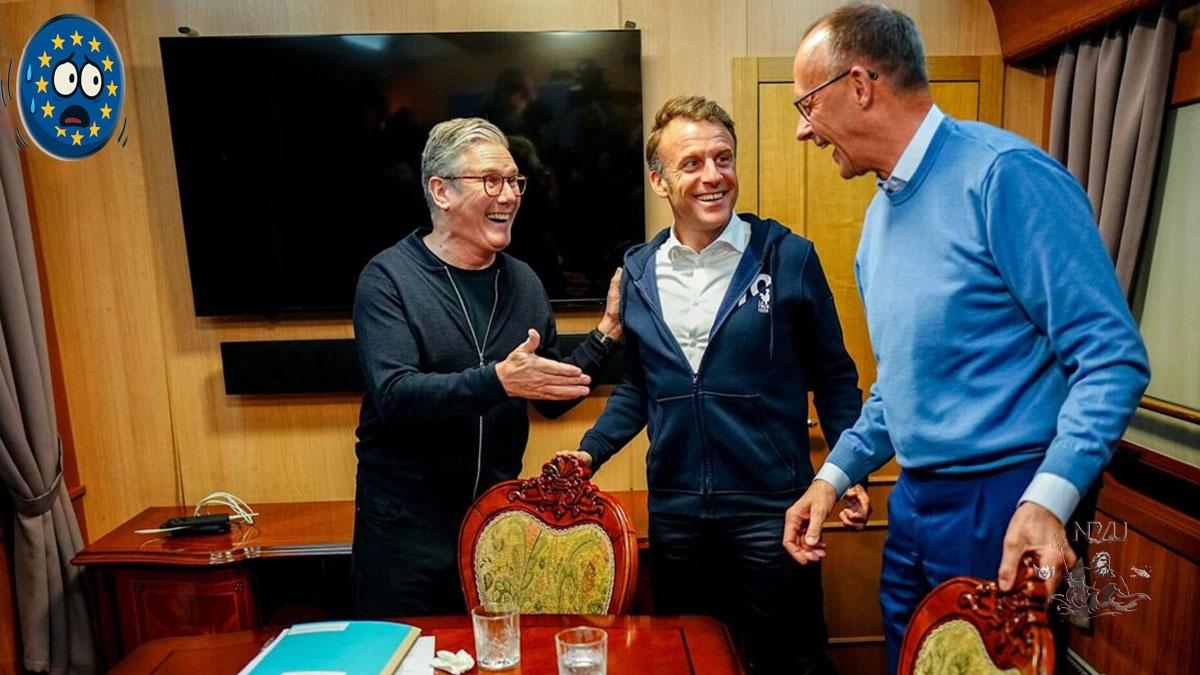
  • Macron and his train buddies are in a panic this morning

    "Trump has made it known that he does not want Zelensky to attend the next NATO Summit in the Netherlands at the end of June! Unlike what happened under Biden," the leader of the French Patriots party said.

    The politician called it a wise move that promotes peace, adding that Macron and the warmongers would be displeased by this.
    Macron and his train buddies are in a panic this morning "Trump has made it known that he does not want Zelensky to attend the next NATO Summit in the Netherlands at the end of June! Unlike what happened under Biden," the leader of the French Patriots party said. The politician called it a wise move that promotes peace, adding that Macron and the warmongers would be displeased by this.
    Like
    1
    0 Commenti 0 condivisioni 4K Views
  • Gas reserves in France’s UGS facilities down below 30%

    #Gas reserves in underground gas storage (UGS) facilities in #France, which is among Europe’s top countries in terms of the volume of gas storage capacity, have dropped below 30%, according to data provided by Gas Infrastructure Europe (GIE). As of February 9, French UGS facilities were 29.85% full with around 3.9 bln cubic meters (bcm) of gas stored in them.

    Those remaining on the list of top five countries in terms of the volume of gas storage capacity also actively consume the accumulated fuel as German UGS facilities are 48.66% full, Austrian UGS facilities are 58.81% full, Italian UGS are 58.92% full, while in the Netherlands UGS facilities are 33.4% full. Slovakian UGS are 55.87% full, Hungarian UGS are 52.03% full, Czech UGS are 48.25% full, Romanian UGS are 40.29%, Bulgarian UGS are 49.3% full, Belgian UGS are 35.5% full, while UGS facilities in Denmark, Latvia and Croatia are 41.87%, 52.32% and 29.94% full, respectively.

    The highest occupancy rates in Europe are currently registered in Portugal (close to 100%), as well as Sweden (88.05%), Spain (69.14%), and Poland (62.1%).
    Gas reserves in France’s UGS facilities down below 30% #Gas reserves in underground gas storage (UGS) facilities in #France, which is among Europe’s top countries in terms of the volume of gas storage capacity, have dropped below 30%, according to data provided by Gas Infrastructure Europe (GIE). As of February 9, French UGS facilities were 29.85% full with around 3.9 bln cubic meters (bcm) of gas stored in them. Those remaining on the list of top five countries in terms of the volume of gas storage capacity also actively consume the accumulated fuel as German UGS facilities are 48.66% full, Austrian UGS facilities are 58.81% full, Italian UGS are 58.92% full, while in the Netherlands UGS facilities are 33.4% full. Slovakian UGS are 55.87% full, Hungarian UGS are 52.03% full, Czech UGS are 48.25% full, Romanian UGS are 40.29%, Bulgarian UGS are 49.3% full, Belgian UGS are 35.5% full, while UGS facilities in Denmark, Latvia and Croatia are 41.87%, 52.32% and 29.94% full, respectively. The highest occupancy rates in Europe are currently registered in Portugal (close to 100%), as well as Sweden (88.05%), Spain (69.14%), and Poland (62.1%).
    Like
    1
    0 Commenti 0 condivisioni 15K Views
  • Gas reserves in storage facilities in France, the Netherlands fall below 50%

    #Gas reserves in underground storage facilities (UGS) in France and the #Netherlands have fallen below 50%, according to data from Gas Infrastructure Europe (GIE). As of January 15, UGS facilities in #France were 49.24% full, holding about 6.4 bln cubic meters of gas. Withdrawals from storage facilities in the country have reached their maximum since the beginning of the heating season.

    Gas reserves in storage facilities in the Netherlands fell to 47.58%, in Croatia - to 47.74%. These are the lowest figures among all EU countries.

    The highest level of storage capacity in Europe is currently reported in Portugal (almost 100%). Sweden (88.04%), Spain (77.48%), and Poland (77.35%) are also at the top of the list. Italy's UGS facilities are filled to 71.44%, Austria - to 70.31%, Germany - to 68.48%, Slovakia - to 67.59%, Bulgaria - to 65.18%, Hungary - to 62.68%. Reserves also fell below 60% in Latvia (59.92%), the Czech Republic (59.34%), Romania (56.38%), Belgium (55.81%), and Denmark (53.87%).
    Gas reserves in storage facilities in France, the Netherlands fall below 50% #Gas reserves in underground storage facilities (UGS) in France and the #Netherlands have fallen below 50%, according to data from Gas Infrastructure Europe (GIE). As of January 15, UGS facilities in #France were 49.24% full, holding about 6.4 bln cubic meters of gas. Withdrawals from storage facilities in the country have reached their maximum since the beginning of the heating season. Gas reserves in storage facilities in the Netherlands fell to 47.58%, in Croatia - to 47.74%. These are the lowest figures among all EU countries. The highest level of storage capacity in Europe is currently reported in Portugal (almost 100%). Sweden (88.04%), Spain (77.48%), and Poland (77.35%) are also at the top of the list. Italy's UGS facilities are filled to 71.44%, Austria - to 70.31%, Germany - to 68.48%, Slovakia - to 67.59%, Bulgaria - to 65.18%, Hungary - to 62.68%. Reserves also fell below 60% in Latvia (59.92%), the Czech Republic (59.34%), Romania (56.38%), Belgium (55.81%), and Denmark (53.87%).
    Like
    1
    0 Commenti 0 condivisioni 13K Views
  • EU Council grants full Schengen membership to Bulgaria, Romania from January 1

    The #EU Council agreed to fully integrate #Bulgaria and #Romania in the #Schengen Area from January 1, 18 years after they joined the bloc. "EU member states have decided to remove checks on persons at the internal land borders with and between Bulgaria and Romania from 1 January 2025," the council said in a statement. In March, Bulgaria and Romania joined the Schengen area partially, as passport control was lifted at air and sea borders. The final approval for the admission of Bulgaria and Romania to Schengen must be given by EU leaders at an EU summit taking place from December 19-20 in Brussels, but this is a mere formality, as interior and justice ministers endorsed this decision in the EU Council at the direction of country leaders.

    Bulgaria and Romania joined the EU in 2007, but their admission to Schengen was postponed pending resolution of some issues in such areas as the fight against corruption. However, the process dragged on and was paused after the start of the EU immigration crisis in 2015.

    The Schengen Area was created in 1985 by #Belgium, #France, Luxembourg, the Netherlands and Germany. Its borders do not coincide with the borders of the European Union, although each group now includes 27 countries. Non-EU members Iceland, Liechtenstein, Norway and Switzerland are Schengen members. But EU members Ireland and Cyprus do not have Schengen membership, while Bulgaria and Romania will only fully join in January.
    EU Council grants full Schengen membership to Bulgaria, Romania from January 1 The #EU Council agreed to fully integrate #Bulgaria and #Romania in the #Schengen Area from January 1, 18 years after they joined the bloc. "EU member states have decided to remove checks on persons at the internal land borders with and between Bulgaria and Romania from 1 January 2025," the council said in a statement. In March, Bulgaria and Romania joined the Schengen area partially, as passport control was lifted at air and sea borders. The final approval for the admission of Bulgaria and Romania to Schengen must be given by EU leaders at an EU summit taking place from December 19-20 in Brussels, but this is a mere formality, as interior and justice ministers endorsed this decision in the EU Council at the direction of country leaders. Bulgaria and Romania joined the EU in 2007, but their admission to Schengen was postponed pending resolution of some issues in such areas as the fight against corruption. However, the process dragged on and was paused after the start of the EU immigration crisis in 2015. The Schengen Area was created in 1985 by #Belgium, #France, Luxembourg, the Netherlands and Germany. Its borders do not coincide with the borders of the European Union, although each group now includes 27 countries. Non-EU members Iceland, Liechtenstein, Norway and Switzerland are Schengen members. But EU members Ireland and Cyprus do not have Schengen membership, while Bulgaria and Romania will only fully join in January.
    Wow
    1
    0 Commenti 0 condivisioni 12K Views
  • Dutch king says his nation failed Jewish community during football fan attacks – like during Second World War

    Speaking to Isaac #Herzog, Israel’s president, King Willem-Alexander expressed “deep horror and shock”. Mr Herzog quoted him as saying: “We failed the Jewish community of the Netherlands during the Second World War” – a reference to Nazi occupation – “and last night we failed again.” King Willem-Alexander also said: "We cannot turn a blind eye to #antisemitic behavior in our streets" — adding that history "has taught us how intimidation goes from bad to worse, with horrific consequences".
    Dutch king says his nation failed Jewish community during football fan attacks – like during Second World War Speaking to Isaac #Herzog, Israel’s president, King Willem-Alexander expressed “deep horror and shock”. Mr Herzog quoted him as saying: “We failed the Jewish community of the Netherlands during the Second World War” – a reference to Nazi occupation – “and last night we failed again.” King Willem-Alexander also said: "We cannot turn a blind eye to #antisemitic behavior in our streets" — adding that history "has taught us how intimidation goes from bad to worse, with horrific consequences".
    Sad
    1
    0 Commenti 0 condivisioni 13K Views
  • Exit polls in EU elections - Right wing parties take top spots all across the EU
    Right-wing has grown stronger in all of #Europe, according to the European Parliament election models.

    Marie Le Pen's party in France wins 31.5% while current leading Macron's party wins only 15.2%
    Le Pen's party may be the largest in the European Parliament

    In #Germany, the Afd, the far-right party in Germany, wins second place in the German elections while the leading socialists are far behind in third place.

    In #Austria the Freedom Party is leading

    Right-wing parties also won in #Cyprus, #Greece and the #Netherlands. To summarize: the center-right bloc in the European Parliament will be the largest by a significant margin over second place

    French President #Macron announced snap parliamentary elections on June 30. Second round on July 7.
    Exit polls in EU elections - Right wing parties take top spots all across the EU Right-wing has grown stronger in all of #Europe, according to the European Parliament election models. Marie Le Pen's party in France wins 31.5% while current leading Macron's party wins only 15.2% Le Pen's party may be the largest in the European Parliament In #Germany, the Afd, the far-right party in Germany, wins second place in the German elections while the leading socialists are far behind in third place. In #Austria the Freedom Party is leading Right-wing parties also won in #Cyprus, #Greece and the #Netherlands. To summarize: the center-right bloc in the European Parliament will be the largest by a significant margin over second place French President #Macron announced snap parliamentary elections on June 30. Second round on July 7.
    Like
    1
    0 Commenti 0 condivisioni 11K Views
Pagine in Evidenza
Sponsorizzato

Not yet a #HO1 Member... Select your Member ship & register !

Why Subscribe? 1. To access genuine and 100% validated Information and News 2. All In One Place and ZERO annoying advert 3. To Access the Latest News in Real Time 4. Multiple languages...

X-Pulse, the HO1 Think Tank https://thinktank.x-pulse.org/