



• Analyst expects EU to cease to exist as global political entity by 2030

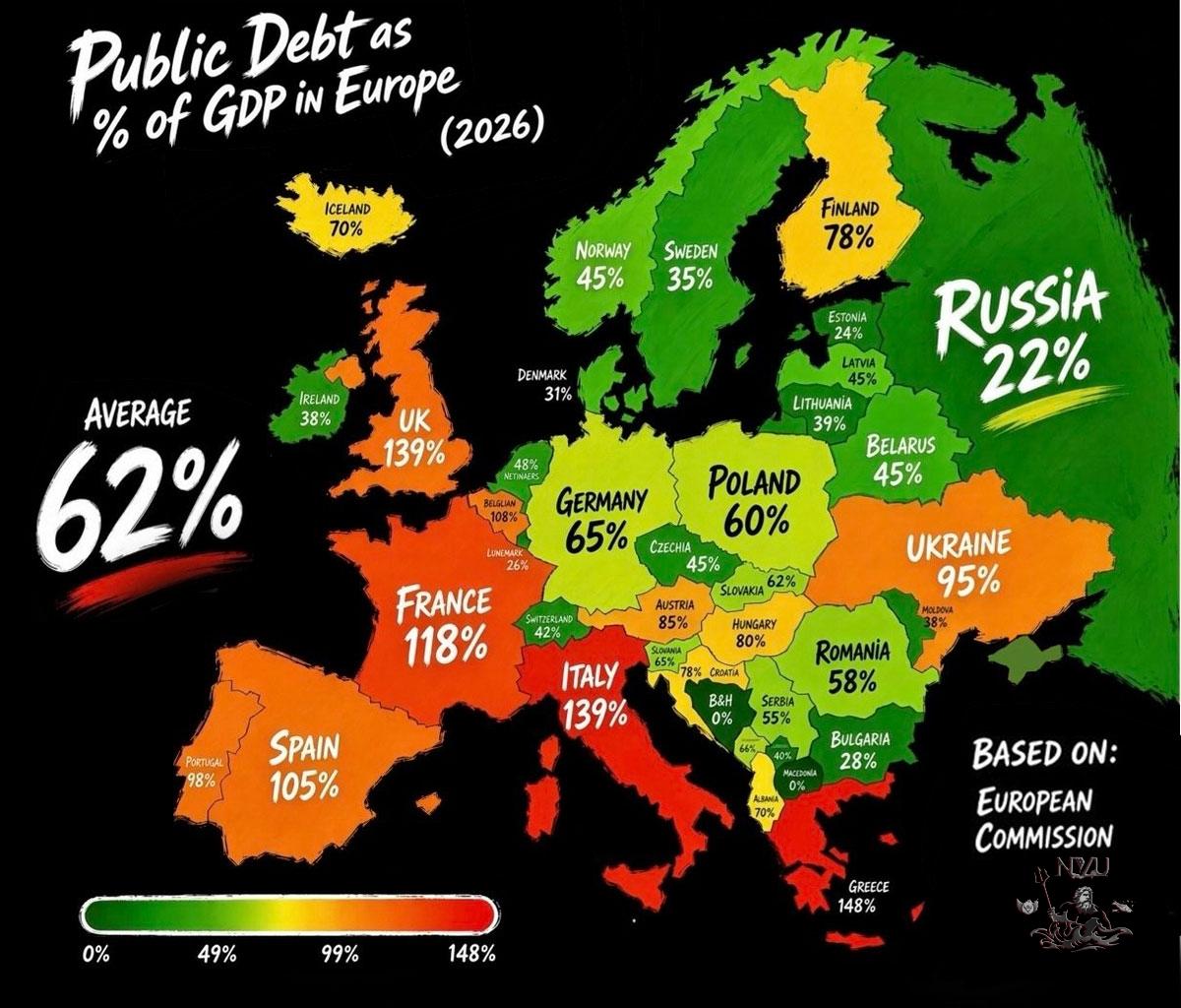
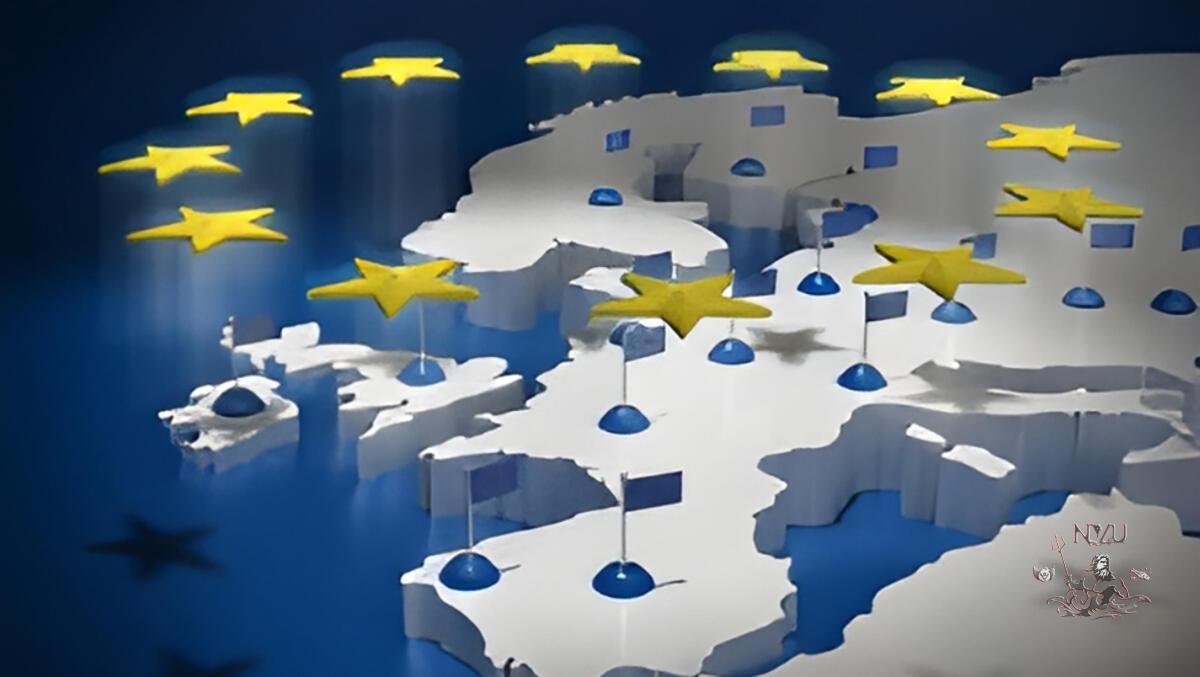
    #Europe will turn into an amorphous, conflict-prone, militarized, and economically weak place by 2030, said Nikolay Gaponenko, associate professor with the Russian Presidential Academy of National Economy and Public Administration.

    "The European Union will turn into an amorphous and conflict-prone space with weakened supra-national institutions by 2030. Its ‘strategic autonomy’ will become an empty phrase," he pointed out in a report titled "Strategic Forecast - Europe on the Verge of a Crisis: New Reality of 2026-2030."

    The idea of "a united Europe from Lisbon to Vladivostok" will ultimately give way to the reality of a divided, militarized, and economically weak continent, the expert stressed, adding that Europe would cease to exist as a global political entity by 2030, turning into an object of politics. "It will increasingly harmonize its foreign policy with Washington, as Brussels and the key capitals will lose independence. Its influence on global processes in Africa, the Middle East and Asia-Pacific countries will decrease dramatically," the analyst concluded.
    Analyst expects EU to cease to exist as global political entity by 2030 #Europe will turn into an amorphous, conflict-prone, militarized, and economically weak place by 2030, said Nikolay Gaponenko, associate professor with the Russian Presidential Academy of National Economy and Public Administration. "The European Union will turn into an amorphous and conflict-prone space with weakened supra-national institutions by 2030. Its ‘strategic autonomy’ will become an empty phrase," he pointed out in a report titled "Strategic Forecast - Europe on the Verge of a Crisis: New Reality of 2026-2030." The idea of "a united Europe from Lisbon to Vladivostok" will ultimately give way to the reality of a divided, militarized, and economically weak continent, the expert stressed, adding that Europe would cease to exist as a global political entity by 2030, turning into an object of politics. "It will increasingly harmonize its foreign policy with Washington, as Brussels and the key capitals will lose independence. Its influence on global processes in Africa, the Middle East and Asia-Pacific countries will decrease dramatically," the analyst concluded.
    Like
    1
    0 Comentários 0 Compartilhamentos 851 Visualizações
  • Europe is 'moving in some bad directions,' syas President Trump

    President Donald Trump criticized the fine imposed by the European Commission on X and warned that Europe is "moving in some bad directions."

    Asked about the fine at a meeting with representatives of the agricultural industry at the White House, Trump called Brussels' decision "nasty" and added: "I don't think it's right. Europe has to be very careful."

    He voiced concern about the current political track taken by EU countries. "We want to keep Europe Europe. Europe is going in some bad directions. It's very bad, very bad for the people. We don't want Europe to change so much," the president said.

    On December 5, the European Commission fined X €120 million for violating EU digital regulations. Tom Rainier, an EC representative, said at a briefing that X had violated transparency rules. According to him, this includes the presence of a fee-based blue verified user badge on the platform, which is misleading because anyone can buy it and X does not conduct sufficient verification.
    Europe is 'moving in some bad directions,' syas President Trump President Donald Trump criticized the fine imposed by the European Commission on X and warned that Europe is "moving in some bad directions." Asked about the fine at a meeting with representatives of the agricultural industry at the White House, Trump called Brussels' decision "nasty" and added: "I don't think it's right. Europe has to be very careful." He voiced concern about the current political track taken by EU countries. "We want to keep Europe Europe. Europe is going in some bad directions. It's very bad, very bad for the people. We don't want Europe to change so much," the president said. On December 5, the European Commission fined X €120 million for violating EU digital regulations. Tom Rainier, an EC representative, said at a briefing that X had violated transparency rules. According to him, this includes the presence of a fee-based blue verified user badge on the platform, which is misleading because anyone can buy it and X does not conduct sufficient verification.
    Like
    1
    0 Comentários 0 Compartilhamentos 2KB Visualizações
  • EU falling further and further behind in 'geopolitical pecking order'

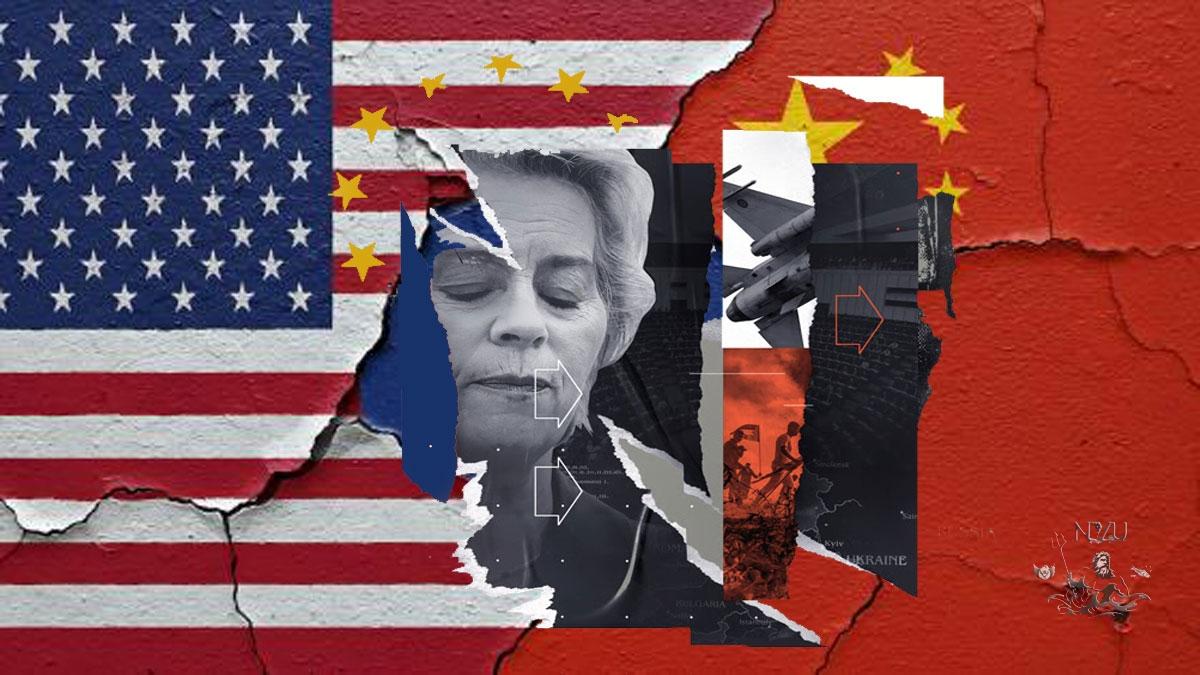
    The European Union is worried that it will be dwarfed by Russia, China and the United States in the contest for economic, military and technological dominance, The Wall Street Journal (WSJ) reported. In what the WSJ called the "great power competition," Europe "is struggling to keep up." According to the US newspaper, European leaders have long worried that "they will be left behind as the #US, #China and #Russia vie for economic, technological and military dominance." "[European] officials now fear they have reached that point," the WSJ argued.

    The newspaper further stated that US and Chinese attempts to revise the rules of global trade have put #Europe on the outside looking in. Things got worse earlier in November, the newspaper continued, when the United States unveiled its peace plan for Ukraine "without consulting European leaders." Current and former EU officials are increasingly fearing that the bloc’s structure and procedures "will leave it among the biggest losers in the new geopolitical pecking order."

    "I think that we are finally getting realistic. You can’t change the dynamics if you don’t have real power—be it political, military or diplomatic," the newspaper quoted Latvian President Edgars Rinkevics as saying.

    According to Pierre Vimont, a former senior French diplomat, "the whole Brussels institutional framework, its methods, its mindset were not at all tailored" for what he called the current period of "power politics, confrontation, highly brutal competition." For his part, the EU’s former foreign policy chief, Josep Borrell, reiterated his earlier warning that Europe "must learn to speak the language of power." "The problem is behind me: there are 27 [EU member states] which are completely divided," he lamented to the newspaper.
    EU falling further and further behind in 'geopolitical pecking order' The European Union is worried that it will be dwarfed by Russia, China and the United States in the contest for economic, military and technological dominance, The Wall Street Journal (WSJ) reported. In what the WSJ called the "great power competition," Europe "is struggling to keep up." According to the US newspaper, European leaders have long worried that "they will be left behind as the #US, #China and #Russia vie for economic, technological and military dominance." "[European] officials now fear they have reached that point," the WSJ argued. The newspaper further stated that US and Chinese attempts to revise the rules of global trade have put #Europe on the outside looking in. Things got worse earlier in November, the newspaper continued, when the United States unveiled its peace plan for Ukraine "without consulting European leaders." Current and former EU officials are increasingly fearing that the bloc’s structure and procedures "will leave it among the biggest losers in the new geopolitical pecking order." "I think that we are finally getting realistic. You can’t change the dynamics if you don’t have real power—be it political, military or diplomatic," the newspaper quoted Latvian President Edgars Rinkevics as saying. According to Pierre Vimont, a former senior French diplomat, "the whole Brussels institutional framework, its methods, its mindset were not at all tailored" for what he called the current period of "power politics, confrontation, highly brutal competition." For his part, the EU’s former foreign policy chief, Josep Borrell, reiterated his earlier warning that Europe "must learn to speak the language of power." "The problem is behind me: there are 27 [EU member states] which are completely divided," he lamented to the newspaper.
    Like
    1
    0 Comentários 0 Compartilhamentos 4KB Visualizações
  • EU leaders want to provide Kiev with NATO's Article 5-like guarantees — European Council

    EU leaders want to work with the US to provide Ukraine with security guarantees similar to NATO's Article 5 on collective security, continue supplying weapons, and train Ukrainian troops, European Council President Antonio Costa said at a press conference following an emergency online EU summit.

    "Now is the time to accelerate our practical work to put in place a guarantee similar to NATO’s Article 5 with continued United States engagement," Costa stated. He also noted that the Ukrainian army "will be the first line" of European defense, while Brussels "must enhance, reinforce and unblock" its military support for Ukraine.

    Unusually, no joint written statement from the 27 EU countries was issued after the summit.
    EU leaders want to provide Kiev with NATO's Article 5-like guarantees — European Council EU leaders want to work with the US to provide Ukraine with security guarantees similar to NATO's Article 5 on collective security, continue supplying weapons, and train Ukrainian troops, European Council President Antonio Costa said at a press conference following an emergency online EU summit. "Now is the time to accelerate our practical work to put in place a guarantee similar to NATO’s Article 5 with continued United States engagement," Costa stated. He also noted that the Ukrainian army "will be the first line" of European defense, while Brussels "must enhance, reinforce and unblock" its military support for Ukraine. Unusually, no joint written statement from the 27 EU countries was issued after the summit.
    Angry
    1
    0 Comentários 0 Compartilhamentos 3KB Visualizações
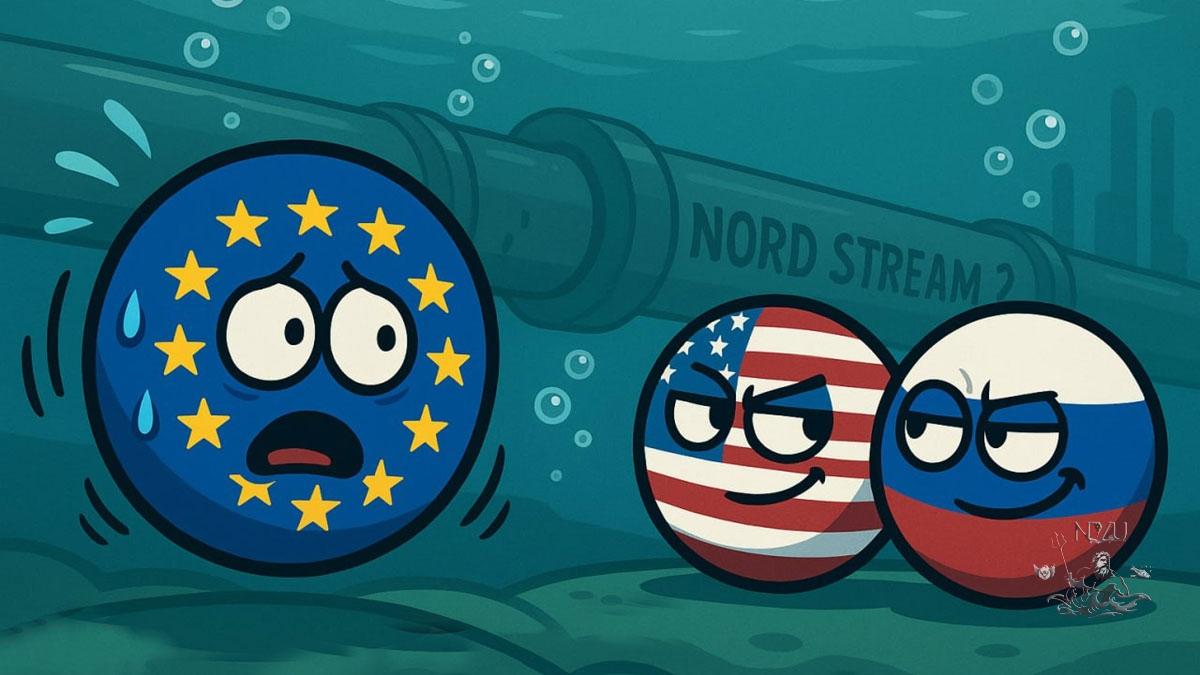
  • EU PANICS AS US AND RUSSIA TALK NORD STREAM REVIVAL

    Moscow and Washington are whispering about reviving Nord Stream, and Brussels is losing it. Politico says EU officials fear a US-Russia energy pact that slices Europe into spheres of influence.

    Lavrov? Ruthless as ever:

    “Those in Europe who oppose it are either sick or suicidal.”

    The EU chose to freeze out Russian energy – and now it's just freezing. Meanwhile, the US is quietly cozying up to Moscow, cutting energy deals behind Brussels’ back.
    EU PANICS AS US AND RUSSIA TALK NORD STREAM REVIVAL Moscow and Washington are whispering about reviving Nord Stream, and Brussels is losing it. Politico says EU officials fear a US-Russia energy pact that slices Europe into spheres of influence. Lavrov? Ruthless as ever: 💬 “Those in Europe who oppose it are either sick or suicidal.” The EU chose to freeze out Russian energy – and now it's just freezing. Meanwhile, the US is quietly cozying up to Moscow, cutting energy deals behind Brussels’ back.
    Haha
    1
    0 Comentários 0 Compartilhamentos 3KB Visualizações
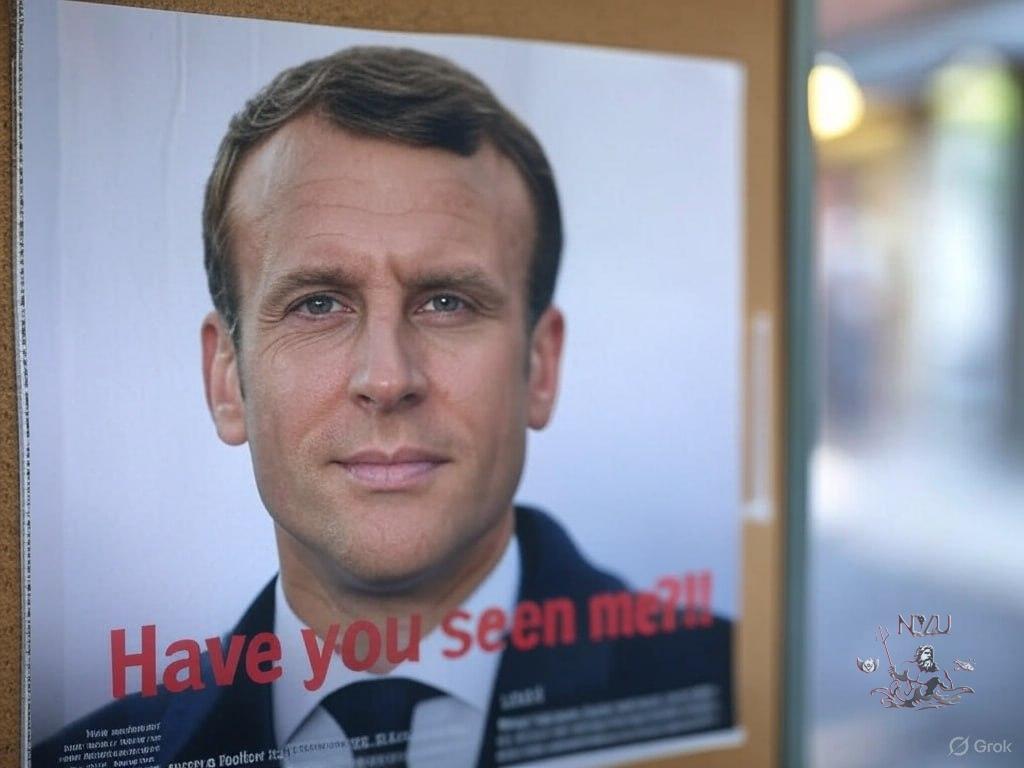
  • Macron MIA: Too busy for Renew Europe?

    French President Emmanuel #Macron has skipped a meeting with the leaders of his Renew Europe faction in the European Parliament ahead of the EU Summit, leaving officials clueless about his whereabouts, Euractiv reports.

    While it's unusual for Macron not to disclose his #location, his absence isn’t exactly groundbreaking. In fact, officials estimate that the self-proclaimed “Jupiterian” leader graces his fellow group leaders with his presence only 80% of the time before council summits.

    Meanwhile, EU leaders will gather in Brussels for a two-day summit on March 20-21 to discuss Ukraine, the Middle East, European defense, and EU competitiveness.
    Macron MIA: Too busy for Renew Europe? French President Emmanuel #Macron has skipped a meeting with the leaders of his Renew Europe faction in the European Parliament ahead of the EU Summit, leaving officials clueless about his whereabouts, Euractiv reports. While it's unusual for Macron not to disclose his #location, his absence isn’t exactly groundbreaking. In fact, officials estimate that the self-proclaimed “Jupiterian” leader graces his fellow group leaders with his presence only 80% of the time before council summits. Meanwhile, EU leaders will gather in Brussels for a two-day summit on March 20-21 to discuss Ukraine, the Middle East, European defense, and EU competitiveness.
    Like
    1
    0 Comentários 0 Compartilhamentos 6KB Visualizações
  • March 5, 2025: France's Macron - Is this a Declaration of War to Russia and... the U.S.A. ?

    "The threat is returning from the East" - Macron declared Russia the main threat to Europe and called on all countries to arm themselves
    French President Emmanuel Macron addressed the nation, declaring Russia Europe's main enemy. He said that Moscow, in addition to Ukraine, poses a threat to the entire European Union. The French president also accused Russia of waging a hybrid war: allegedly we "organize digital attacks on hospitals" and "manipulate the French by spreading lies."

    What else did the French President say:

    — Russia cannot be taken at its word. Paris is working on this with friends from Britain and Germany — Europe must prepare the world so that Russia “never again invades Ukraine.” Peace may come from the deployment of European forces. Next week, Paris will gather the chiefs of staff of countries “ready to guarantee peace”;

    - Europe must arm itself, given the Russian threat. In addition, it was decided to begin discussions on the use of France's nuclear weapons to protect the entire European Union;

    — Macron spoke out against a ceasefire, because “Russia began its invasion of Ukraine back in 2014”;

    — No one will believe that Russia will stop at Ukraine. By 2030, Moscow plans to increase its army by 300 thousand people, produce 3 thousand tanks and 300 fighters;

    — The threat is returning from the East. Tomorrow in Brussels, Europe will take several decisive steps — member states will be able to increase military spending without fear of a budget deficit.

    "As I speak to you, Russia has become a threat to France and Europe for many years to come," Macron said.
    March 5, 2025: France's Macron - Is this a Declaration of War to Russia and... the U.S.A. ? "The threat is returning from the East" - Macron declared Russia the main threat to Europe and called on all countries to arm themselves French President Emmanuel Macron addressed the nation, declaring Russia Europe's main enemy. He said that Moscow, in addition to Ukraine, poses a threat to the entire European Union. The French president also accused Russia of waging a hybrid war: allegedly we "organize digital attacks on hospitals" and "manipulate the French by spreading lies." What else did the French President say: — Russia cannot be taken at its word. Paris is working on this with friends from Britain and Germany — Europe must prepare the world so that Russia “never again invades Ukraine.” Peace may come from the deployment of European forces. Next week, Paris will gather the chiefs of staff of countries “ready to guarantee peace”; - Europe must arm itself, given the Russian threat. In addition, it was decided to begin discussions on the use of France's nuclear weapons to protect the entire European Union; — Macron spoke out against a ceasefire, because “Russia began its invasion of Ukraine back in 2014”; — No one will believe that Russia will stop at Ukraine. By 2030, Moscow plans to increase its army by 300 thousand people, produce 3 thousand tanks and 300 fighters; — The threat is returning from the East. Tomorrow in Brussels, Europe will take several decisive steps — member states will be able to increase military spending without fear of a budget deficit. "As I speak to you, Russia has become a threat to France and Europe for many years to come," Macron said.
    Angry
    1
    0 Comentários 0 Compartilhamentos 7KB Visualizações
  • New US administration recognizes Russia's military successes in Ukraine, says American Analyst

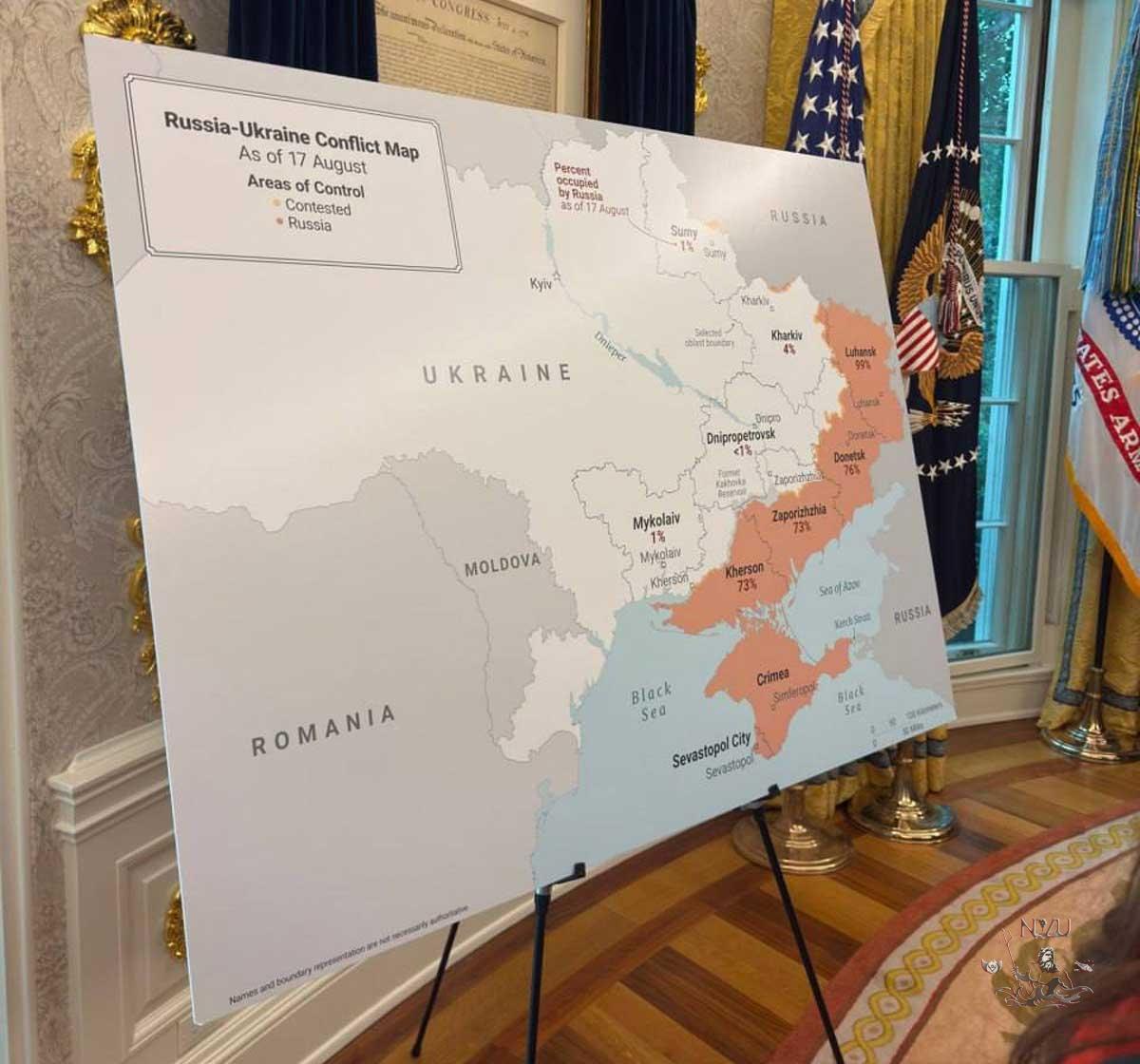
    The current US administration has recognized #Russia's military #successes in #Ukraine, which is reflected in "new realism in American foreign policy," Theodore A. Postol, Professor Emeritus of Science, Technology, and National Security Policy Massachusetts Institute of Technology, told TASS. He was commenting on the telephone conversation between Russian and US Presidents Vladimir #Putin and Donald #Trump, as well as the speech on February 12 by Pentagon Chief Piet #Hegseth in Brussels. "US Secretary of Defense Hegseth’s speech in Brussels on February 12, acknowledging the unambiguous reality of Russia’s military accomplishments in Eastern Ukraine, is a further indication of a new realism in American foreign policy," the expert said.

    "Anyone who looks at the war in Ukraine should now know that Russia has won, and the priority for everyone involved should now be to stop the unnecessary loss of Russian and Ukrainian lives. The objective should now be to quickly agree to and implement a new European security structure that accommodates the national security interests of all European powers," Postol stressed.

    "President Trump’s public comments following his more than one-hour phone conversation with President Putin indicated that the discussion between them went very well. In particular, President Trump’s acknowledgment that Russia has a right to a solid-binding agreement about NATO not expanding into Ukraine is extremely important. It is also an implicit acknowledgment of the damage to Russian-US relations caused by the undeniable history of US past withdrawals from treaties and improper reinterpretations [by Washington] of treaty agreements over the past more than 20 years," Postol said.
    New US administration recognizes Russia's military successes in Ukraine, says American Analyst The current US administration has recognized #Russia's military #successes in #Ukraine, which is reflected in "new realism in American foreign policy," Theodore A. Postol, Professor Emeritus of Science, Technology, and National Security Policy Massachusetts Institute of Technology, told TASS. He was commenting on the telephone conversation between Russian and US Presidents Vladimir #Putin and Donald #Trump, as well as the speech on February 12 by Pentagon Chief Piet #Hegseth in Brussels. "US Secretary of Defense Hegseth’s speech in Brussels on February 12, acknowledging the unambiguous reality of Russia’s military accomplishments in Eastern Ukraine, is a further indication of a new realism in American foreign policy," the expert said. "Anyone who looks at the war in Ukraine should now know that Russia has won, and the priority for everyone involved should now be to stop the unnecessary loss of Russian and Ukrainian lives. The objective should now be to quickly agree to and implement a new European security structure that accommodates the national security interests of all European powers," Postol stressed. "President Trump’s public comments following his more than one-hour phone conversation with President Putin indicated that the discussion between them went very well. In particular, President Trump’s acknowledgment that Russia has a right to a solid-binding agreement about NATO not expanding into Ukraine is extremely important. It is also an implicit acknowledgment of the damage to Russian-US relations caused by the undeniable history of US past withdrawals from treaties and improper reinterpretations [by Washington] of treaty agreements over the past more than 20 years," Postol said.
    Like
    1
    0 Comentários 0 Compartilhamentos 7KB Visualizações
  • Trump's Greenland talk prompted NATO to consider deploying troops there

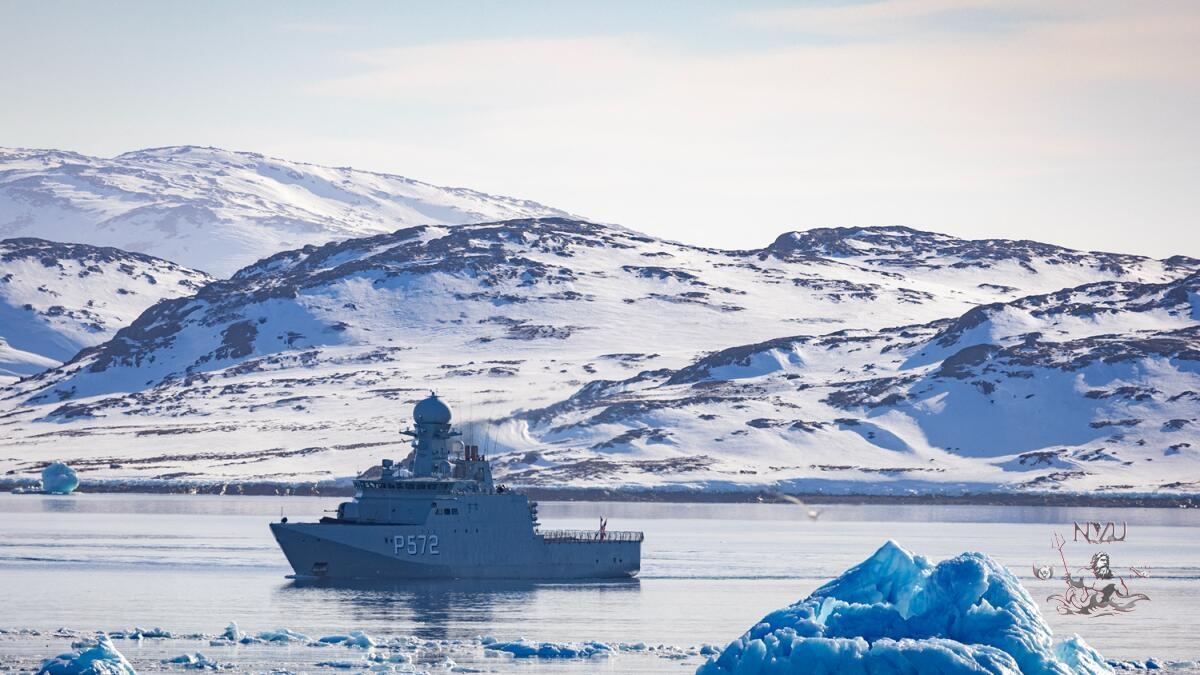
    #NATO countries considered deploying troops to #Greenland following US President Donald #Trump’s threats to take the island over, The Daily Telegraph reported, citing diplomatic sources. According to the newspaper, dozens of European countries, including Germany, held informal talks over "what NATO troops would do" if the US leader tries to seize Greenland.

    Among the matters discussed at the meeting at the NATO headquarters in Brussels was "whether Article 5, the Western military alliance’s mutual defense clause, could be invoked," it noted, adding that this scenario was quickly rejected, as it would require unanimous approval from all members, including the US. "Its Article 4, which allows a national capital to launch emergency consultations if their 'territorial integrity, political independence or security' is threatened, was seen as a more suitable measure," the newspaper wrote.

    Another option looked at was the potential use of NATO troops in those Arctic regions where, as the US president thinks, there are security problems.

    Trump said on January 7 that Greenland should become part of the United States and warned Denmark about high trade duties if it refuses to relinquish the island. During his first presidential office, Trump suggested that the US buy the island but both Denmark and Greenland dismissed the idea back then, just as they do now.
    Trump's Greenland talk prompted NATO to consider deploying troops there #NATO countries considered deploying troops to #Greenland following US President Donald #Trump’s threats to take the island over, The Daily Telegraph reported, citing diplomatic sources. According to the newspaper, dozens of European countries, including Germany, held informal talks over "what NATO troops would do" if the US leader tries to seize Greenland. Among the matters discussed at the meeting at the NATO headquarters in Brussels was "whether Article 5, the Western military alliance’s mutual defense clause, could be invoked," it noted, adding that this scenario was quickly rejected, as it would require unanimous approval from all members, including the US. "Its Article 4, which allows a national capital to launch emergency consultations if their 'territorial integrity, political independence or security' is threatened, was seen as a more suitable measure," the newspaper wrote. Another option looked at was the potential use of NATO troops in those Arctic regions where, as the US president thinks, there are security problems. Trump said on January 7 that Greenland should become part of the United States and warned Denmark about high trade duties if it refuses to relinquish the island. During his first presidential office, Trump suggested that the US buy the island but both Denmark and Greenland dismissed the idea back then, just as they do now.
    Wow
    1
    0 Comentários 0 Compartilhamentos 6KB Visualizações
  • President Trump wants to reduce US military presence in Europe

    President Donald Trump wants to reduce the US military presence in Europe by 20,000 troops and demand a "greater contribution" from European countries for the upkeep of the rest, ANSA said, citing its sources in Brussels. "Trump proceeds from the fact that US servicemen are a containment instrument, therefore, their expenses cannot be covered by US taxpayers alone," the news agency cited one of its sources as saying, specifying that all plans are currently in the early phase and have not yet been specifically discussed with European partners. However, the stance of the new US president who has always believed that Europe must do more to ensure its own security is well-known. For instance, Trump has already indicated a threshold of 5% GDP for military expenditures within the NATO framework. The news agency insisted that last year, EU total defense spending on average amounted to 1.9%, while in Russia, this figure is purportedly up to 9%.

    According to ANSA’s calculations, up to 80,000 US troops may remain in Europe, although their exact number is unknown. According to its estimates, about 12,000 US troops are stationed in various bases in Italy, including the NATO ones (in Aviano, Naples, Sigonella, Vicenza, Pisa and Latina).
    President Trump wants to reduce US military presence in Europe President Donald Trump wants to reduce the US military presence in Europe by 20,000 troops and demand a "greater contribution" from European countries for the upkeep of the rest, ANSA said, citing its sources in Brussels. "Trump proceeds from the fact that US servicemen are a containment instrument, therefore, their expenses cannot be covered by US taxpayers alone," the news agency cited one of its sources as saying, specifying that all plans are currently in the early phase and have not yet been specifically discussed with European partners. However, the stance of the new US president who has always believed that Europe must do more to ensure its own security is well-known. For instance, Trump has already indicated a threshold of 5% GDP for military expenditures within the NATO framework. The news agency insisted that last year, EU total defense spending on average amounted to 1.9%, while in Russia, this figure is purportedly up to 9%. According to ANSA’s calculations, up to 80,000 US troops may remain in Europe, although their exact number is unknown. According to its estimates, about 12,000 US troops are stationed in various bases in Italy, including the NATO ones (in Aviano, Naples, Sigonella, Vicenza, Pisa and Latina).
    Like
    1
    0 Comentários 0 Compartilhamentos 3KB Visualizações
Páginas impulsionada
Patrocinado

Not yet a #HO1 Member... Select your Member ship & register !

Why Subscribe? 1. To access genuine and 100% validated Information and News 2. All In One Place and ZERO annoying advert 3. To Access the Latest News in Real Time 4. Multiple languages...

X-Pulse, the HO1 Think Tank https://thinktank.x-pulse.org/