
 DONATIONS
 Worldwide Radio Stations
Iran's interest in prolonging negotiations with the US
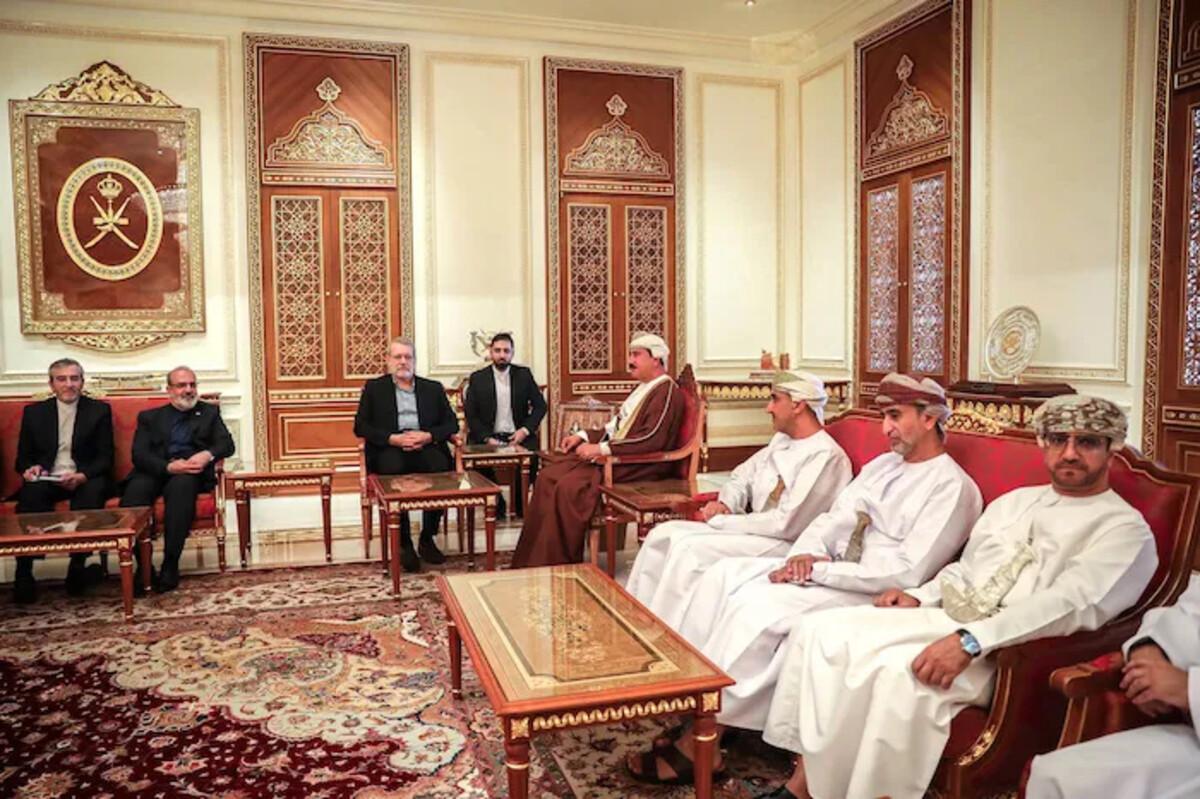
Tehran aims to maintain leverage, avoid immediate concessions, and preserve the status quo, while managing domestic unrest and preparing for potential U.S. actions
Iran has an interest in delaying its negotiations with the Trump administration, despite the risks involved. As is well known, Whitkopf is not only involved in negotiations with Iran but also in other regions, primarily Ukraine. The longer the talks with Iran continue, the more it may pressure him to reach agreements with Iran quickly, making concessions in Iran’s favor, so he can return to focus on Ukraine. After all, there is at least a small chance of a Nobel Prize for Trump in Ukraine—but not with Iran.
Kushner, who joined the negotiations with Iran, also wants to quickly return to other areas of focus, including Gaza. Therefore, Iran also wants to prolong the negotiations with him to push Kushner to reach agreements with Iran as soon as possible, even if that requires concessions. Kushner also seeks rapid “industrial calm” with Iran so that Iran does not interfere—through Hamas and Islamic Jihad—with projects he is involved in regarding the reconstruction of Gaza.
Time allows the Iranian regime to continue suppressing what remains of the protest wave and to improve its military preparedness.
It suits Iran to delay negotiations for about ten more days, coinciding with the start of Ramadan, a period less convenient for the Trump administration to attack a Muslim country.
As time passes, there is a possibility that another crisis may emerge to distract the Trump administration, either externally or internally, forcing it to focus elsewhere rather than on Iran. Under such circumstances, the Trump administration would be under pressure to rush into temporary and loose agreements with Iran—agreements likely to serve Iran’s interests or maintain the status quo without an American strike, which would also serve Iran.
Even without another crisis, the longer the negotiations continue, Trump may become weary of the process and settle for an agreement or understanding—albeit temporary—that primarily benefits Iran and prevents attacks against it. While Trump has repeatedly warned Iran, he has not acted, and may continue this approach.
On the other hand, Trump could suddenly strike Iran. However, due to a range of constraints discussed in previous memoranda, any American attack would be limited. It would not pose an existential threat to the Iranian regime, allowing Iran to respond in a limited manner to avoid escalation that would harm the country. Such a clash could lead to renewed negotiations or continued stalemate, which suits Iran.
Iran believes, and has even hinted, that it cannot trust Trump to honor agreements, given his withdrawal from the 2018 nuclear deal. Therefore, Iran does not feel urgency to reach a deal with him. At most, it would seek general understandings to prevent attacks.
However, several factors indicate that time does not necessarily favor Iran:
- Winter is less favorable for aerial attacks, and spring will make them easier to execute.
- More time allows the U.S. to gather intelligence, reinforce forces, and improve preparations, both to attack Iran and defend against Iranian retaliation.
- The U.S. will have more time to prepare the Iranian opposition for renewed protests. Accordingly, the Trump administration could consider a major action against Iran aimed at destabilizing the regime and giving the opposition a chance to overthrow it—but the likelihood of this is relatively low.
- Prolonged tensions increase the risk of misunderstandings or friction between Iran and the U.S., for example over the Strait of Hormuz, potentially sparking a rapid escalation to a comprehensive American attack.
In summary, while Iran faces risks from continued delays, it still appears preferable for it to prolong negotiations, thereby maintaining the status quo or pressuring the Trump administration into hasty agreements. In both scenarios, Iran benefits. Even if Trump strikes suddenly, it is likely to be limited and unlikely to drastically alter the situation.
***

 French
 English
 Arabic
 Spanish
 Portuguese
 Deutsch
 Turkish
 Dutch
Dutch
 Italiano
 Russian
 Romaian
 Portuguese (Brazil)
 Greek
Greek