
 DONATIONS
 Worldwide Radio Stations
What will happen if the Islamic regime in Iran falls?
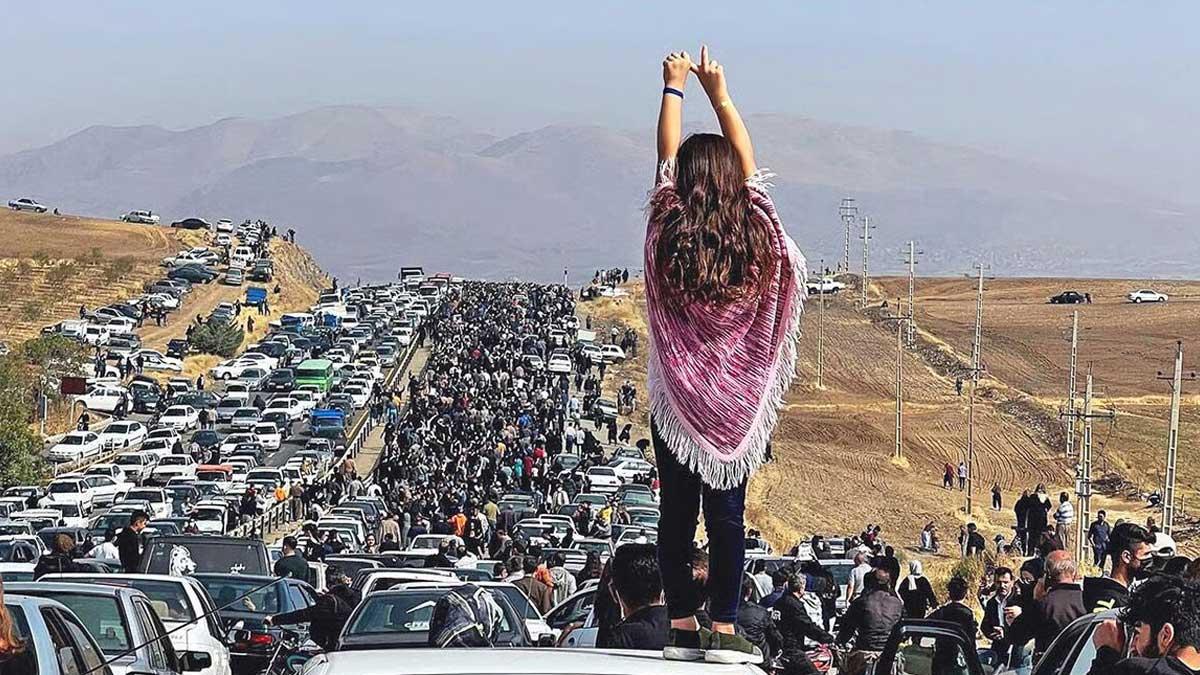
The collapse of the Islamic Republic of Iran would mark one of the most dramatic geopolitical shifts of the modern era, reshaping not only Iran itself but the entire Middle East and beyond.
While the exact trajectory would depend on how the regime ends, analysts broadly agree that its fall would remove the single most destabilizing force in the region.
Inside Iran, the end of clerical rule would dismantle the ideological system built around unelected religious authority. The morality police, enforced religious codes, and systematic repression of women and minorities would likely disappear.
Despite fears of chaos, Iran is not Libya or Syria: it has a strong national identity, a highly educated population, and a long tradition of centralized governance. While remnants of the Islamic Revolutionary Guard Corps could attempt to retain power, the force is deeply unpopular, and widespread defections would be likely once regime control breaks.
Economically, regime change would unlock Iran’s vast potential. Sanctions tied directly to the Islamic Republic’s behavior would likely be lifted, opening the door to foreign investment, energy exports, and rapid improvements in living standards. Iran’s chronic poverty is not the result of lack of resources, but of ideological misrule.
Regionally, the impact would be even more profound. Tehran is the backbone of the so-called “axis of resistance,” financing and directing terror groups across the Middle East. Without Iranian backing, Hezbollah would be severely weakened, Hamas would lose a key sponsor, and Iranian-backed militias in Iraq and Yemen would fracture. For Israel, this would remove the primary existential threat and sharply reduce the risk of a multi-front war.
The nuclear crisis would also fundamentally change. Iran’s nuclear ambitions are ideological, not defensive. A post-Islamic Republic government would have strong incentives to halt weapons-grade enrichment, accept inspections, and trade nuclear restraint for global economic reintegration.
Globally, the fall of the regime would represent a strategic defeat for radical political Islam. The Islamic Republic is the most powerful state sponsor of Islamist extremism. Its collapse would undermine jihadist ideology worldwide and validate pressure-based deterrence over appeasement.
Iran’s Islamic regime is the engine behind Hezbollah, Hamas, and the regional terror network targeting Israel and the West. Its fall would likely weaken terror groups overnight, remove the nuclear threat hanging over Israel, accelerate regional normalization, and strike a historic blow against Islamist extremism. This would not guarantee instant stability—but it would remove the single greatest obstacle to long-term peace in the Middle East.
***


 Deutsch
 English
 Arabic
 French
 Spanish
 Portuguese
 Turkish
 Dutch
Dutch
 Italiano
 Russian
 Romaian
 Portuguese (Brazil)
 Greek
Greek