


 DONATIONS
 Worldwide Radio Stations
Hamas Reaps the Fruits of Its Deadly Attack
Israel Seeks Gains in Other Arenas - Brig.-Gen. (res.) Yossi Kuperwasser
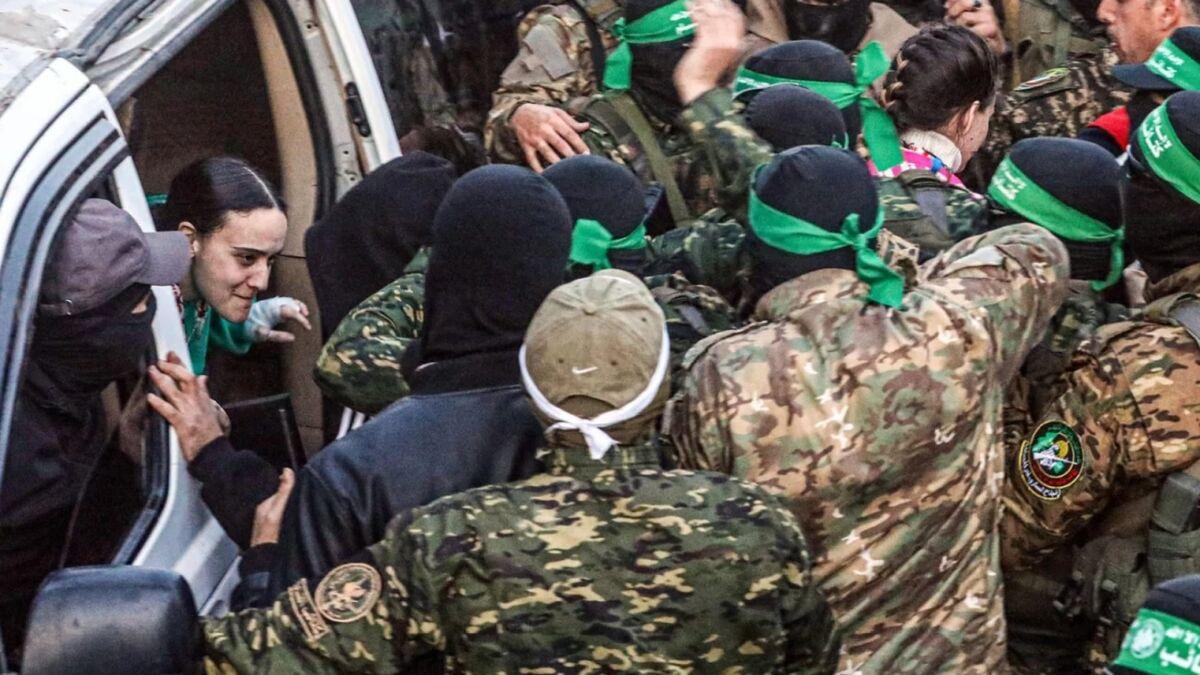
The agreement to begin the release of hostages in exchange for a 42-day ceasefire—intended to transition into a permanent one—includes significant concessions.
These involve the release of a large number of Palestinian prisoners held in Israel, including numerous convicted murderers, the return of the Palestinian population to northern Gaza, the influx of humanitarian aid, the reduction of the IDF’s presence in Gaza, potentially leading to a withdrawal from the Philadelphi Corridor, and Hamas retaining its control over Gaza. The agreement leaves Israel with mixed emotions—joy at the anticipated return of hostages is tempered by frustration at the high cost.
Conversely, Hamas and its supporters across the Arab, Islamic, and broader world are celebrating. They have achieved many of their objectives, most notably securing the continuation of their rule in Gaza while ensuring the release of prisoners from Israeli jails.
Israel achieved one-and-a-half of its war objectives: Hamas suffered military but not political damage, and the agreement provides no guarantees that Hamas will not rebuild its capabilities to resume attacks against Israel from Gaza eventually. On the other hand, Hamas achieved almost all its war goals, albeit at a very high price—far more significant than it initially estimated—but not one that undermines its ability to claim the October 7, 2023 attack as a justified and successful operation. This is likely to bolster its standing among the Palestinian public and enhance the influence of radical Islam more broadly.
While Israel has often spoken of the need for Palestinian de-radicalization, it is more likely that we will witness increased radicalization among Arab and Islamic communities, potentially encouraging long-term attempts to target Israeli, Jewish, and Western entities.
Strategic Implications
The likelihood of renewed fighting in Gaza is low. The Trump administration shows no interest in reigniting conflict, and Hamas is unlikely to cause provocations in the near future. Additionally, the agreement neither prohibits Hamas from rearming nor grants Israel—unlike the Lebanon agreement—the freedom to act against Gaza’s terror groups’ efforts to rebuild their forces and tunnel systems unless they breach the ceasefire.
Beyond the Palestinian context, the agreement’s strategic significance must also be analyzed in the broader regional context, including shifts in the regional architecture and changes in U.S. administration. These changes were decisive in shaping the final agreement. Both sides were influenced by concerns over Trump’s threats, with Hamas also apprehensive about Hezbollah’s withdrawal from the fighting, the blows suffered by Iran and the Shiite axis, and Turkey’s growing influence in the wake of its dominance in Syria.
Israel was forced to accept the terms of the agreement partly because its defense establishment preferred to focus on military strikes and dismantling Hamas’s military capabilities rather than dismantling its governance, as expected by the political leadership. This controversial decision—argued to involve prohibitive costs—meant that insufficient pressure was applied on Hamas to accept a more strategically favorable framework for Israel.
Looking Ahead
With the agreement in effect and President Trump beginning his second term in office, attention will shift to leveraging the regional changes Israel has influenced to advance other key objectives shared with the United States. These include thwarting Iran’s nuclear ambitions, expanding the regional peace process (“Abraham Accords”) to include Saudi Arabia, stabilizing the situation in Syria and Lebanon, and reducing threats to Israel and the West. Success in these areas may compensate for the frustration over unmet strategic goals in Gaza.
Conclusion
Israel is paying the heavy price for the October 7, 2023 debacle. It is shifting its focus to leveraging the war’s achievements, particularly its severe blows to the Iranian axis, to shape a new Middle East. Simultaneously, it must address new challenges in the Palestinian context (Hamas’s strengthening, growing pressure to allow the establishment of a Palestinian state, ongoing efforts to delegitimize Israel in international courts, and the decline of Mahmoud Abbas’s leadership) and the regional context (Turkey’s rise and the strengthening of Sunni radical Islam).
***
Source: Brig.-Gen. (res.) Yossi Kuperwasser is Director of the Project on Regional Middle East Developments at the Jerusalem Center for Security and Foreign Affairs. He was formerly Director General of the Israel Ministry of Strategic Affairs and head of the Research Division of IDF Military Intelligence.


 Portuguese (Brazil)
 English
 Arabic
 French
 Spanish
 Portuguese
 Deutsch
 Turkish
 Dutch
Dutch
 Italiano
 Russian
 Romaian
 Greek
Greek