


 DONATIONS
 Worldwide Radio Stations
Iran threatens to sink US aircraft carriers – what’s behind it?
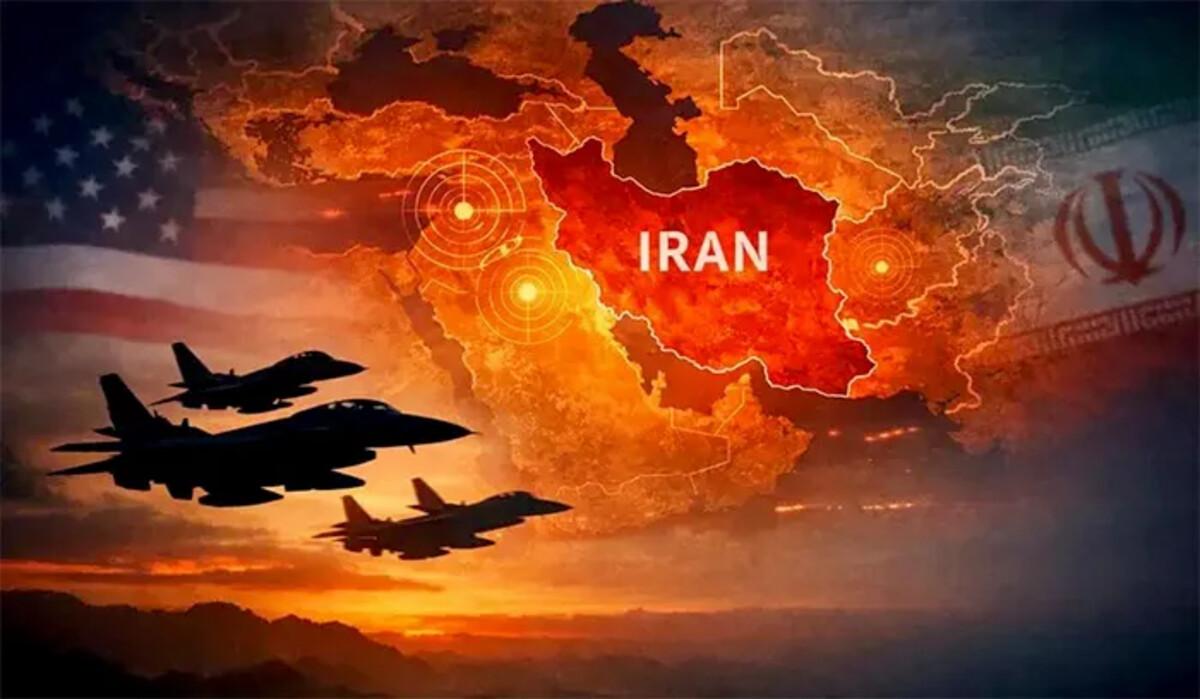
Iran is threatening to sink two US aircraft carriers dispatched near its shores, framing the move as part of its long-standing “anti-access/area denial” (A2/AD) doctrine, designed to offset its conventional military inferiority.
IRAN’S MAIN THREATS
Tehran has built an asymmetric toolkit meant to overwhelm even the most advanced naval defenses:
Drone swarms: Launching hundreds of low-cost UAVs, such as the Shahed series, simultaneously to saturate interception systems.
Anti-ship ballistic missiles: Systems like the Khalij Fars, reportedly equipped with optical seekers to strike moving maritime targets.
Fast attack and suicide boats: Dozens of small, high-speed vessels operated by the Islamic Revolutionary Guard Corps for close-range “naval swarm” assaults.
Mini-submarines and sea mines: Deployment of smart naval mines and midget submarines in the Strait of Hormuz to disrupt shipping lanes.
THE AMERICAN COUNTER-DEPLOYMENT (FEBRUARY 2026)
The US has reinforced its regional posture, centered around the USS Abraham Lincoln and the USS Gerald R. Ford, each leading a full carrier strike group.
Layered defense: Every carrier is shielded by Aegis-equipped destroyers specializing in intercepting ballistic missiles and drones.
Directed-energy weapons: Integration of laser systems such as ODIN and high-power microwave platforms like Leonidas, capable of disabling drones at the speed of light and at far lower cost than traditional interceptors.
Regional air-defense umbrella: Deployment of THAAD batteries and additional naval assets across the Strait of Hormuz, the Arabian Sea, and the Red Sea to create a broader defensive “firewall.”
STRATEGIC MEANING BEHIND THE RHETORIC
Despite the massive technological gap, Iran views these threats as leverage.
Betting on one symbolic hit: Tehran understands it cannot win a full-scale war. However, even limited damage to a symbol like a US carrier would carry enormous psychological and political impact.
Economic attrition: Cheap drones costing around $20,000 can force the US to expend interceptors worth millions, creating logistical strain.
Regional escalation warning: Iran is signaling that any strike on its territory would ignite a broader regional conflict, targeting US bases in the Gulf and threatening global energy routes.
BOTTOM LINE
Military experts assess that sinking a well-defended US carrier remains highly unlikely. Still, Iran aims to impose costs, complicate US freedom of action, and extract deterrent value from the risk itself.
Open-source assessments suggest that at least the Abraham Lincoln strike group has contingency authorization, in case of open hostilities, to reposition toward the vicinity of Socotra Island—roughly 1,400 kilometers from Iran’s coast—allowing operational flexibility while reducing exposure.
***

 English
 Arabic
 French
 Spanish
 Portuguese
 Deutsch
 Turkish
 Dutch
Dutch
 Italiano
 Russian
 Romaian
 Portuguese (Brazil)
 Greek
Greek